AI Dog Health Monitor Collar: Honest Review After 30 Days
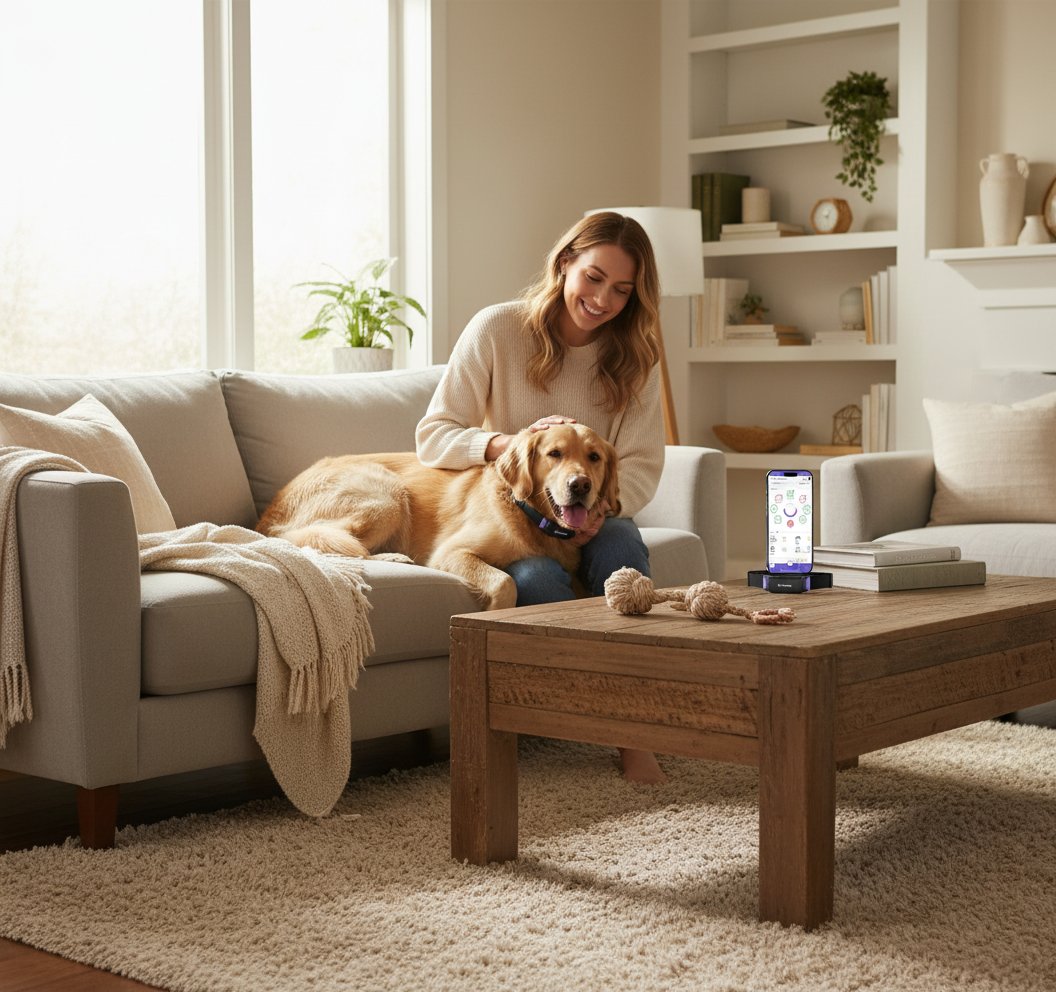
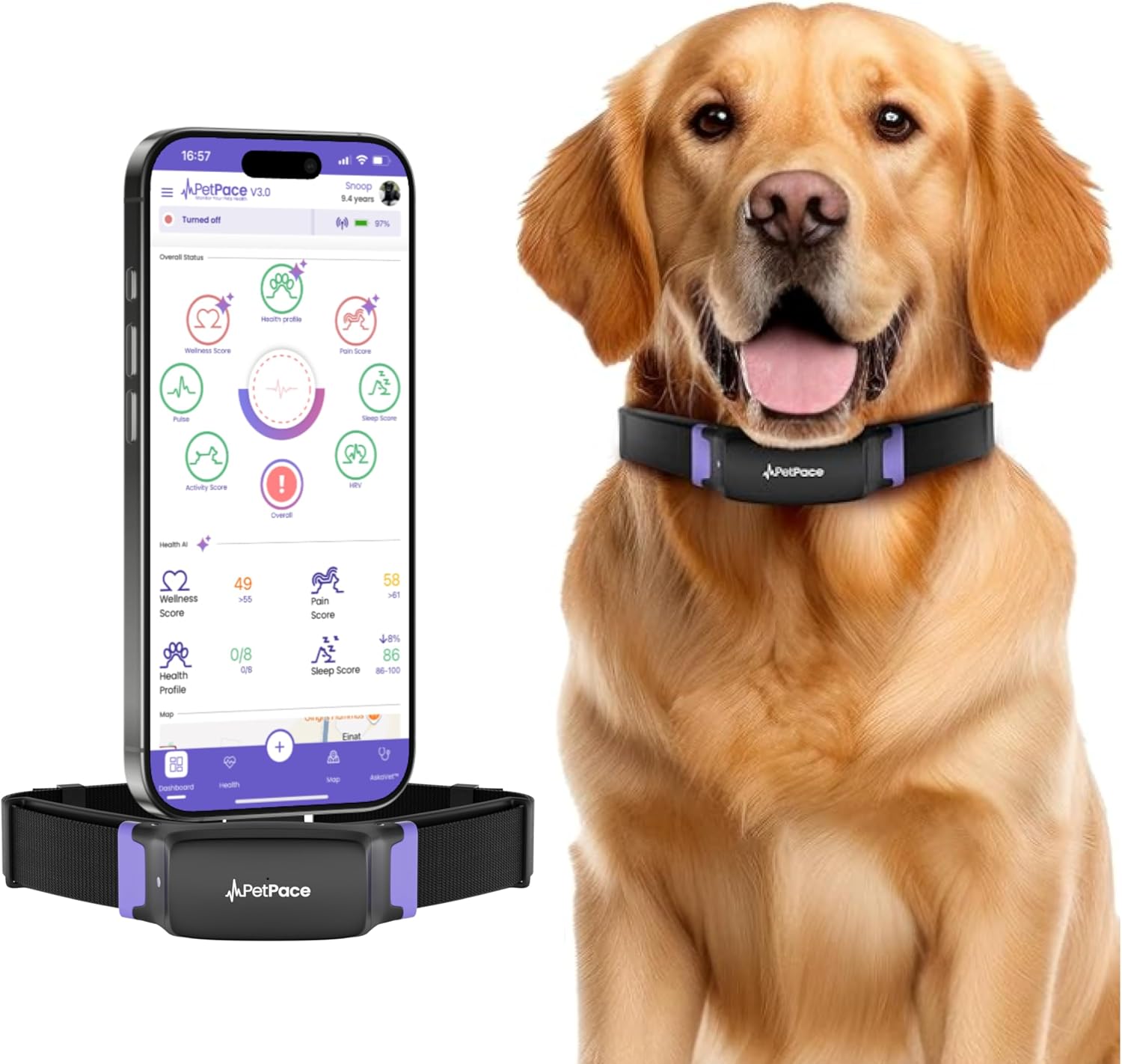
The night my dog’s resting heart rate spiked at 2 a.m. and I actually knew about it before breakfast, I stopped thinking of the PetPace NEW Dog Health Monitor V3.0 as a gadget and started thinking of it as a second set of eyes.
It was a Tuesday in late October when I clipped the PetPace collar onto Biscuit, my seven-year-old Labrador mix, for the first time. He sniffed it once, flopped onto his bed, and went immediately back to sleep. I, on the other hand, stayed up for another forty minutes reading through the companion app, watching his respiratory rate tick steadily across the screen like a slow, reassuring heartbeat. There was something almost meditative about it. And something, honestly, a little unnerving about how much I hadn’t been tracking before. That first night set the tone for everything that followed.

The First Time I Saw It
I came across the PetPace Health Monitor V3.0 while deep in a 1 a.m. research spiral after Biscuit had a subtle limping episode that our vet couldn’t reproduce during the appointment. The vet mentioned it could be intermittent joint discomfort, the kind that shows up at home and disappears on the exam table. I started searching for ways to document what I was seeing, and somewhere between forum threads and product listings, this AI-powered smart collar appeared. I stopped scrolling when I read “pain detection” in the product description.
It wasn’t the GPS that got me, though that’s a solid feature. It was the idea that a wearable could actually flag behavioral and physiological signals associated with discomfort. That felt worth investigating. For anyone on a similar path, our broader dog health product guides cover the wider landscape of monitoring tools before you commit.
How It Actually Performs
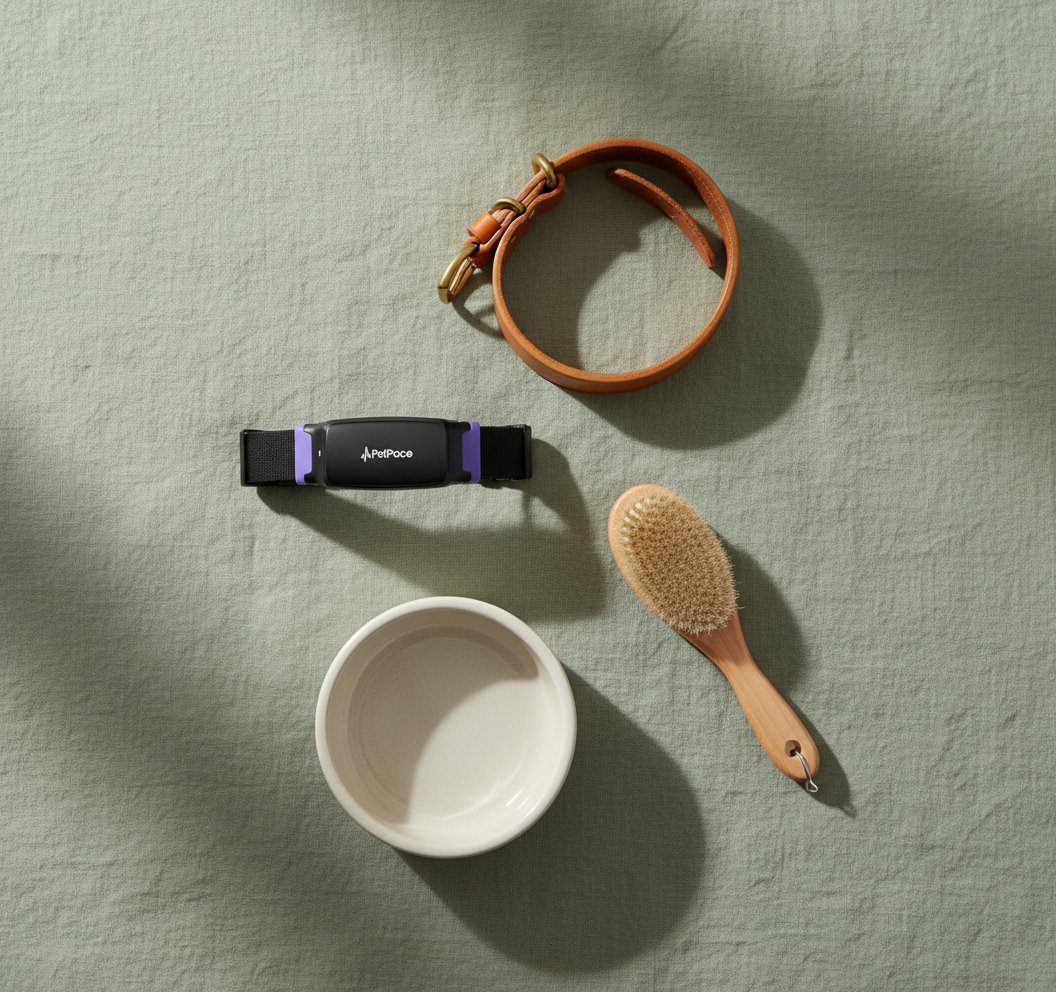
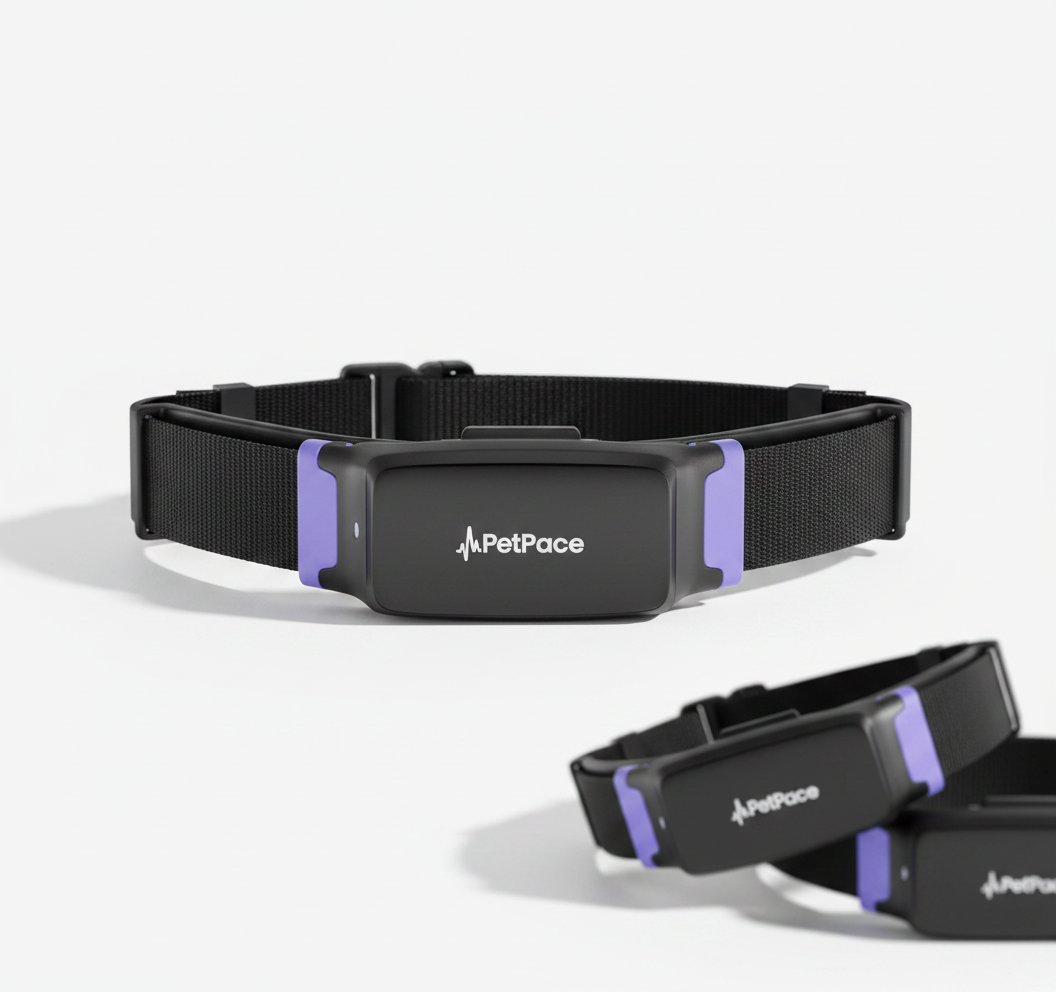
The silicone band with embedded sensors sits snugly without being restrictive, and the stainless steel hardware feels genuinely solid. After four weeks of daily wear, there are no visible stress marks on the band, no rust around the buckle, and Biscuit has shown no irritation where the sensor nodes rest against his neck. The build quality reads well above what you’d expect at this price point, closer to medical-grade than pet-store novelty. Cleaning is straightforward: a damp cloth for the band, and the sensors are sealed well enough that you’re not babysit-drying them after a rainy walk.
“This isn’t a GPS collar with a health gimmick bolted on. It’s a health monitor that happens to know where your dog is.”
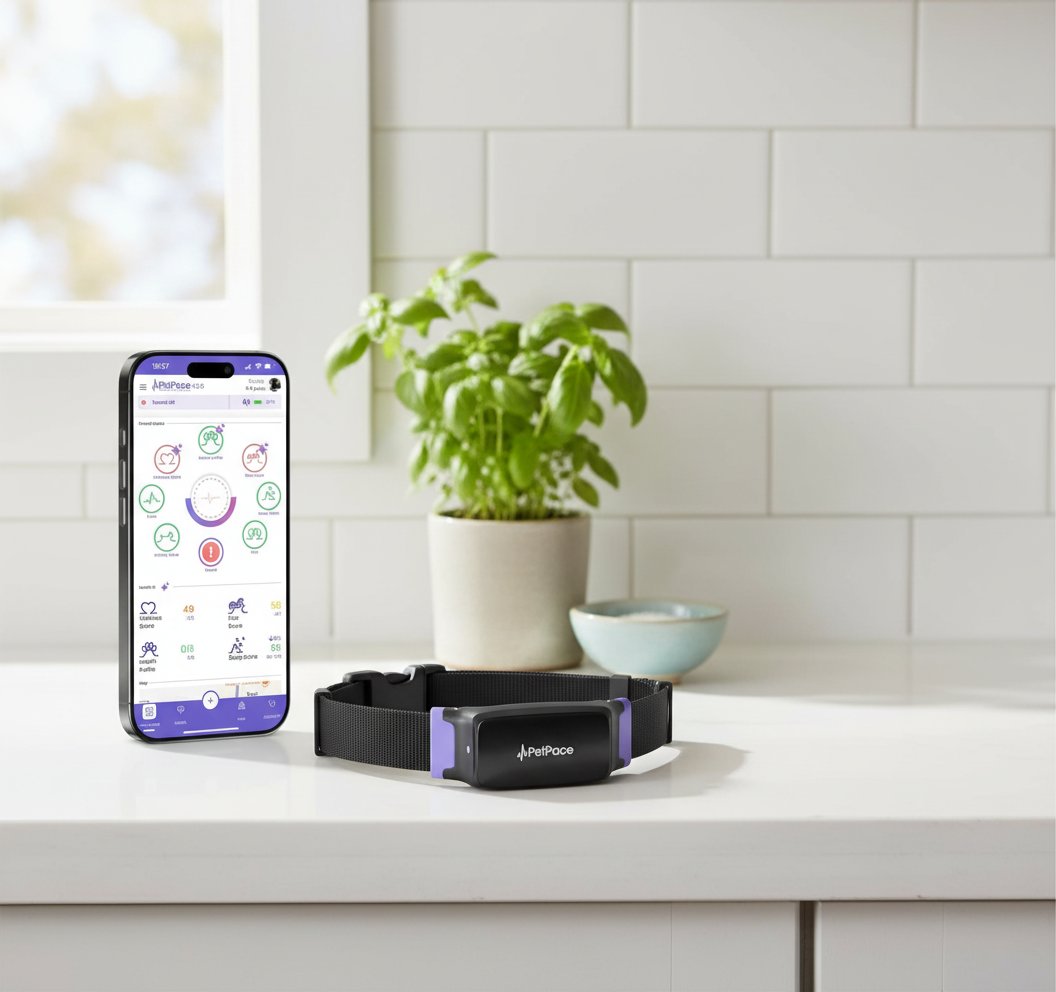
The app syncs reliably with both iOS and Android, and the smartwatch integration meant I could glance at Biscuit’s heart rate during a work meeting without pulling out my phone. There was one morning where the GPS took an extra two minutes to acquire signal inside our apartment building, which was mildly frustrating. That said, once we were outside, location accuracy was consistently solid. For a deeper read on veterinary-informed pet health monitoring, PetMD has useful context on what vital sign baselines actually mean for adult and senior dogs.

How I Actually Used It
Scenario 1: Post-Orthopedic Appointment Recovery Week
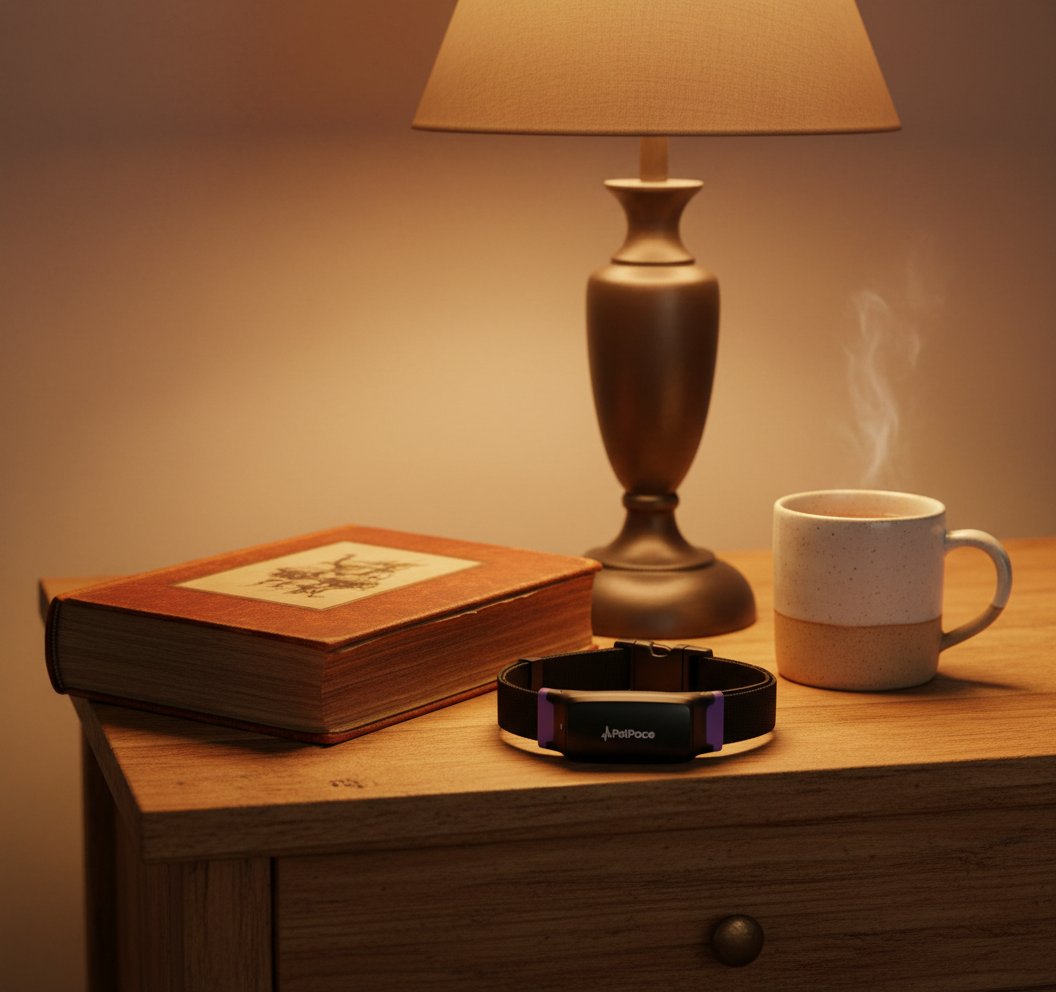
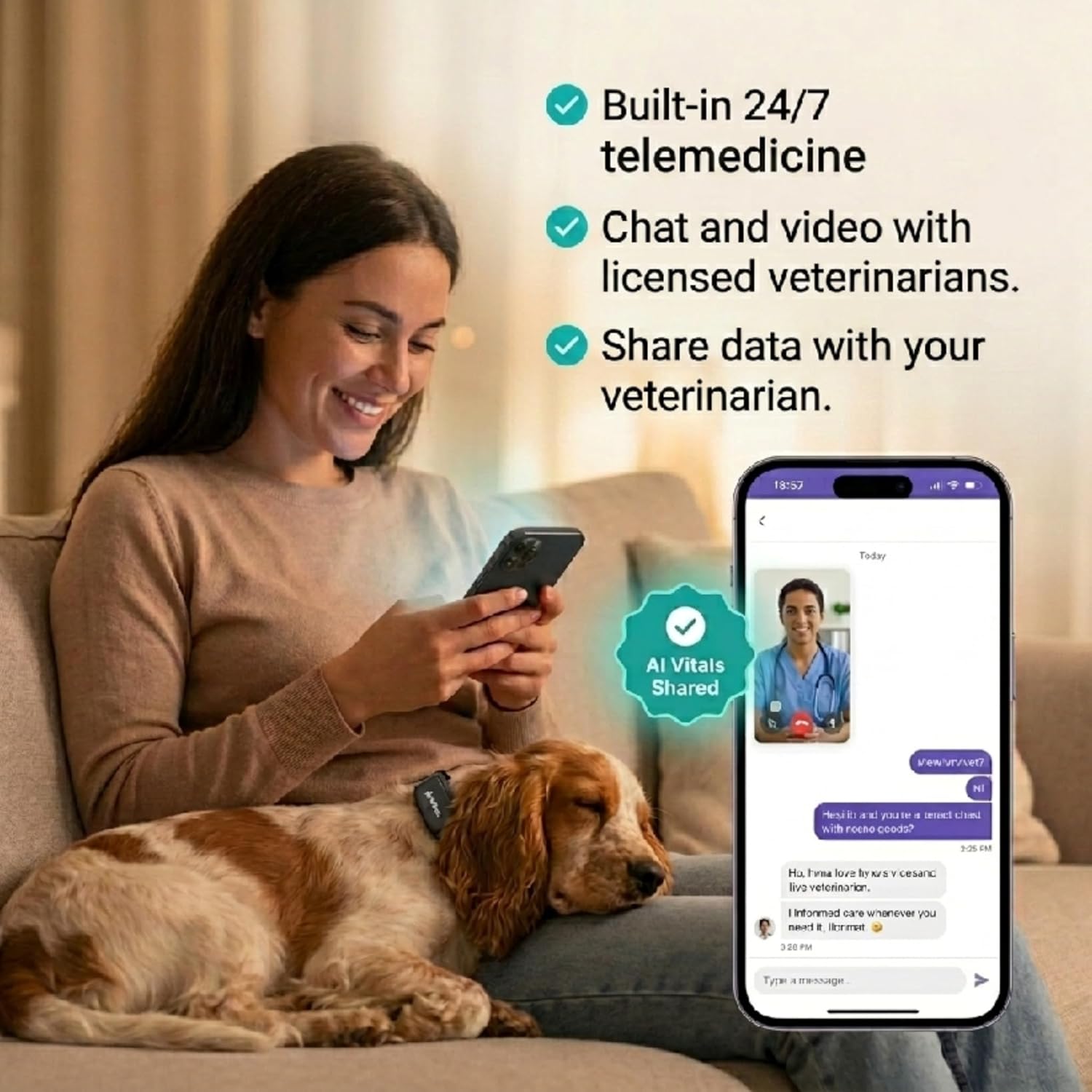
After Biscuit’s follow-up appointment confirmed early-stage hip discomfort, the vet asked me to monitor his activity and rest patterns at home for two weeks. Having the V3.0’s continuous vital-sign logging meant I could pull a detailed report rather than trying to describe “he seemed a little stiff on Wednesday mornings.” The app flagged two overnight periods where his movement patterns and respiratory rate deviated from his baseline, which I was able to screenshot and share directly with the vet through the integrated Share With Your Vet feature. That data handoff changed the entire follow-up conversation. Instead of subjective observations, we had graphs. Our senior dog health product roundup has more options if you’re building out a full care toolkit for an aging pup.
Scenario 2: Weekend Off-Leash Park Visits
Biscuit has a reliable recall, but there’s always that moment when he rounds a hedge and disappears from sightline. The GPS tracking on the V3.0 meant I could watch his little dot move across the map in real time rather than doing the slightly anxious scanning thing I usually do. The geofence alert feature is particularly well-designed: I set a boundary around the park perimeter and got a notification once when he got curious about a gap in the fence line. The GPS response time in open outdoor spaces is notably fast, which matters when your dog is moving at Lab-sprint pace. For context on general GPS collar safety, the AKC’s expert advice on dog safety and tracking is a good reference point.
Scenario 3: Monitoring Anxiety Patterns During Thunderstorm Season
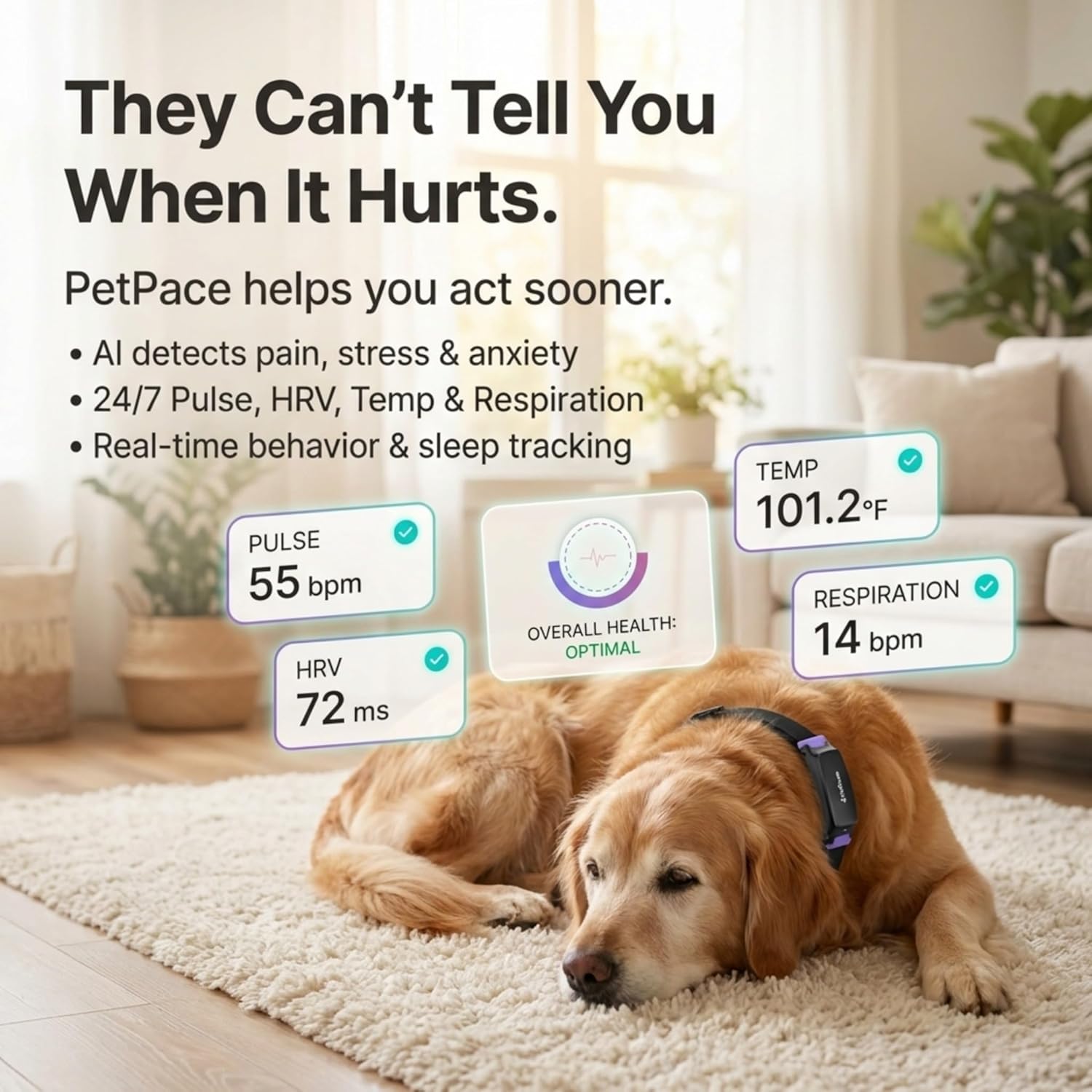
I’ve always known Biscuit gets anxious during storms, but I didn’t have data on how anxious or for how long. The V3.0 logs heart rate variability and activity levels continuously, so I was able to look back at storm nights and compare them to calm nights. Seeing the physiological spike laid out visually made me take his storm anxiety more seriously than I had before. I ended up using the AskaVet telehealth feature to get a same-day consult about calming strategies, and the vet I spoke with appreciated having Biscuit’s logged data right there in the shared record. Telehealth that’s already synced to your dog’s real vitals is a different experience entirely than describing symptoms over the phone. If anxiety management is a parallel concern, browsing our calming product picks alongside a monitoring tool like this makes sense.
What Other Owners Are Saying
The V3.0 is relatively new to market, so the current review pool is small but telling. With a rating sitting at 4.0 across 37 reviews, the consensus skews toward owners of senior dogs and dogs in active health management, people who came to this device with a specific monitoring need rather than idle curiosity.
The pattern that stands out most is that owners who use the telehealth integration and vet-sharing features are noticeably more satisfied than those who use it as a standalone GPS collar. The product rewards engagement with its full ecosystem. For additional perspective on joint health and recovery monitoring tools, we’ve reviewed several complementary products that pair well with a data-driven approach like this one.
Who Should Skip It
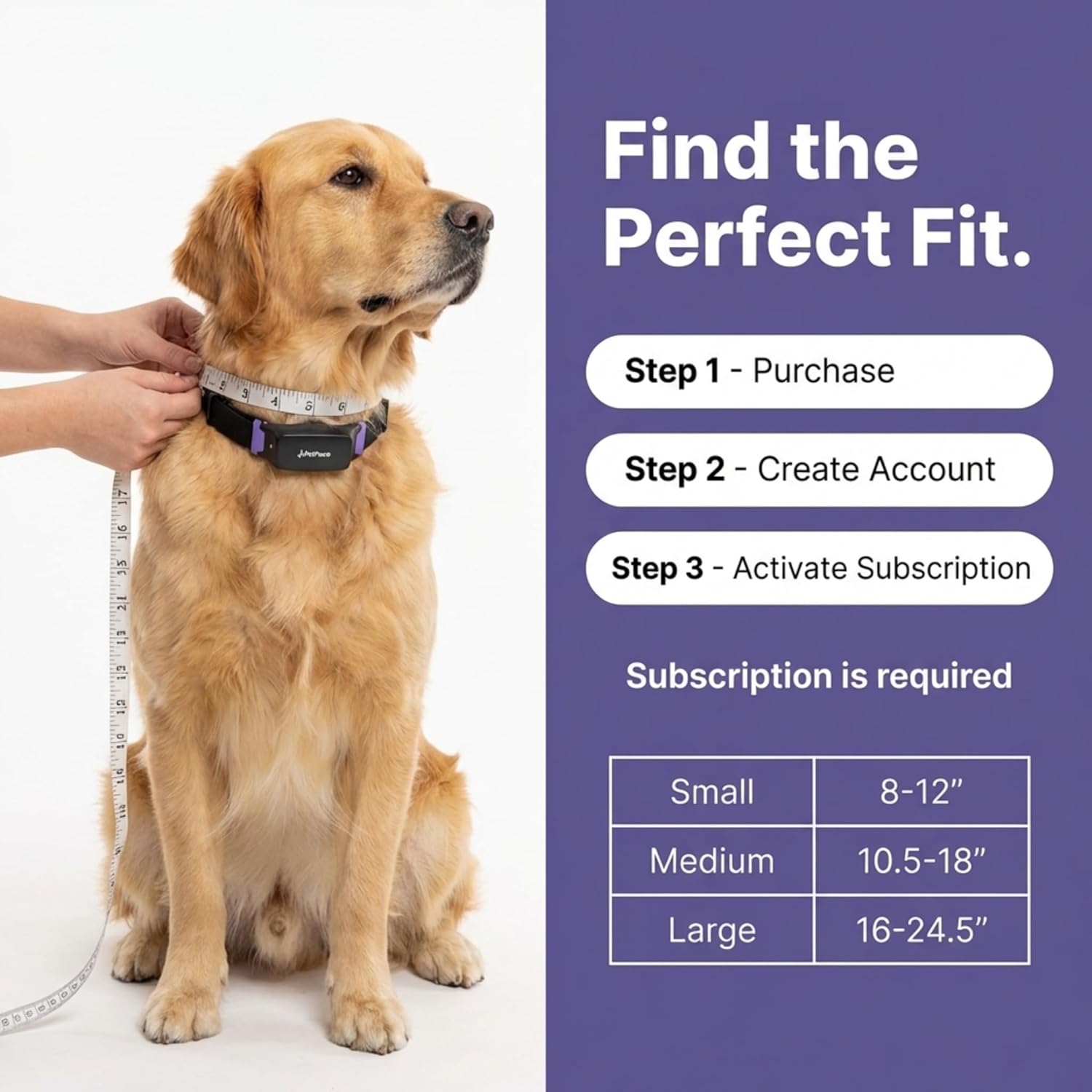
If your dog is a dedicated collar-chewer or a water-obsessed breed that spends long stretches submerged, this isn’t the right fit. The sensors need consistent contact with the skin to log accurately, and a dog who rolls, scratches, or shifts the collar frequently will introduce gaps in the data. Small and toy breeds are also outside the design intent here. This version is sized for large dogs, and forcing it onto a smaller frame would affect both comfort and sensor placement. Finally, if you’re not prepared to engage with the subscription model, the collar’s most compelling features, the continuous monitoring, AI analysis, and telehealth access, are gated behind that commitment. This isn’t a passive device you clip on and forget.
What It Replaces in My Setup
Before the V3.0, I was running two separate devices: a basic GPS tracker clipped to Biscuit’s existing collar, and a manual log I kept in the Notes app on my phone where I’d jot down anything unusual I noticed. It was the kind of system that works fine until it doesn’t. The consolidation alone is worth something. Losing the secondary tracker clip means one less point of failure and a cleaner collar setup. But more than the hardware simplification, what I’ve actually replaced is the guesswork. For anyone curious about how this fits into a broader care philosophy, explore our editor’s full pet health product recommendations for a wider view of what a proactive monitoring setup can look like. I’ve also found the ASPCA’s guidance on routine pet health care useful for contextualizing what these devices can and can’t replace in terms of actual veterinary care.
FAQ
What size dog is the PetPace V3.0 designed for?
This version is designed for large breed dogs. PetPace recommends consulting their sizing guide for neck circumference ranges before purchasing, as proper fit is critical for accurate sensor readings.
Is the silicone band safe for dogs with sensitive skin?
The band uses BPA-free materials and the silicone is designed for continuous contact wear. If your dog has a known skin sensitivity or history of contact dermatitis, check with your vet before committing to extended daily wear.
Does the collar work without a subscription?
Basic GPS location may function in a limited capacity, but the health monitoring, AI pain detection, vital sign logging, and telehealth features all require an active subscription. It’s worth factoring the ongoing cost into your decision alongside the device itself.
Does the build quality match PetPace’s reputation as a premium health tech brand?
In my experience, yes. The stainless steel hardware, sealed sensor nodes, and firm silicone construction feel genuinely durable rather than decorative. For what you’re paying at this tier, the finish is consistent and the materials feel built for daily use, not occasional wear.
What is PetPace’s return and warranty policy for the V3.0?
Return and warranty terms are handled directly through PetPace and any authorized retailers. Check their official site for the current policy, as terms can vary by purchase channel and subscription bundling.
The Verdict
Six weeks from that first Tuesday night, I still check Biscuit’s overnight vitals most mornings the way some people check the weather: briefly, habitually, with genuine interest in what it tells me about the day ahead. The PetPace New Dog Health Monitor V3.0 is not a collar you buy because it’s cool, though the tech is legitimately impressive. It’s a collar you buy because you’ve already had the 3 a.m. worry, because your vet has said “try to document what you’re seeing,” because your dog is getting older and the stakes of missing something are starting to feel real. For owners of senior dogs or dogs navigating active health conditions, this GPS collar with full biometric monitoring does what very few pet wearables actually attempt: it gives you data you can use. The subscription model requires commitment, and the device demands engagement to deliver its best value. But for anyone doing this PetPace smart collar review with a specific monitoring need in mind, the answer is probably yes. If your dog’s health is already on your mind at 2 a.m., this collar just means you’ll have something useful to show your vet by morning. Check out our wider picks for the best pet health tech gifts if you’re shopping for another dog owner, too.
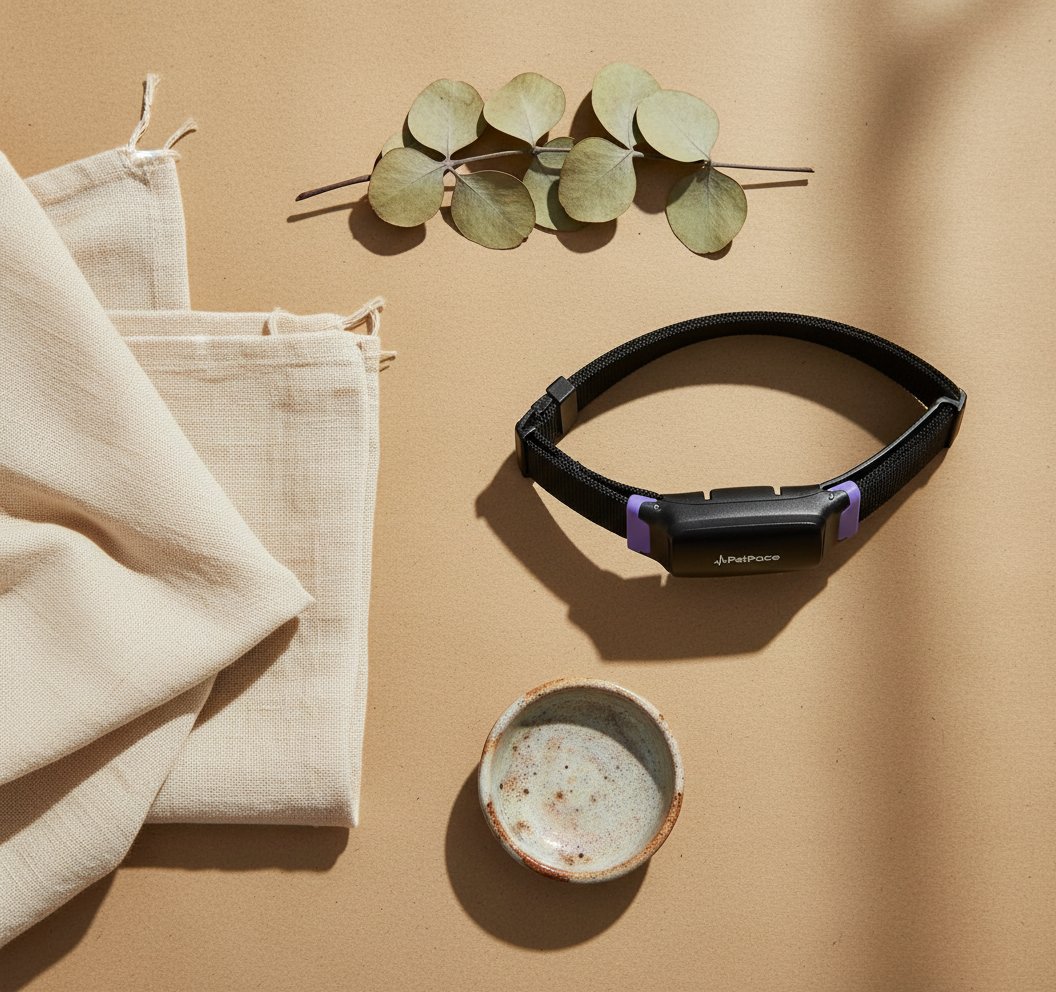
Every Angle
The product as photographed for Amazon — front, side, back, detail.
As an Amazon Associate I earn from qualifying purchases.