Orthopedic Dog Bed for Large Dogs — Honest Review

My 110-pound Labrador has arthritis in both hips, and the morning he stopped groaning when he stood up was the morning I stopped second-guessing the Big Barker Beds Giant Orthopedic Dog Bed.
It was a Tuesday in February, the kind where the cold settles into the floorboards and everything feels stiff before 8 a.m. Kodiak, my eleven-year-old yellow Lab, had been sleeping on a cedar-chip bed he’d largely deflated through years of dedicated napping. Every morning, he’d push himself up from the floor with this slow, labored ceremony that made me wince just watching. That Tuesday, three weeks into using the Big Barker orthopedic bed, he stood up from his new spot in the corner of my bedroom and just, walked to his water bowl. No grunt. No pause at the halfway point. I didn’t say anything. I just stood there holding my coffee.
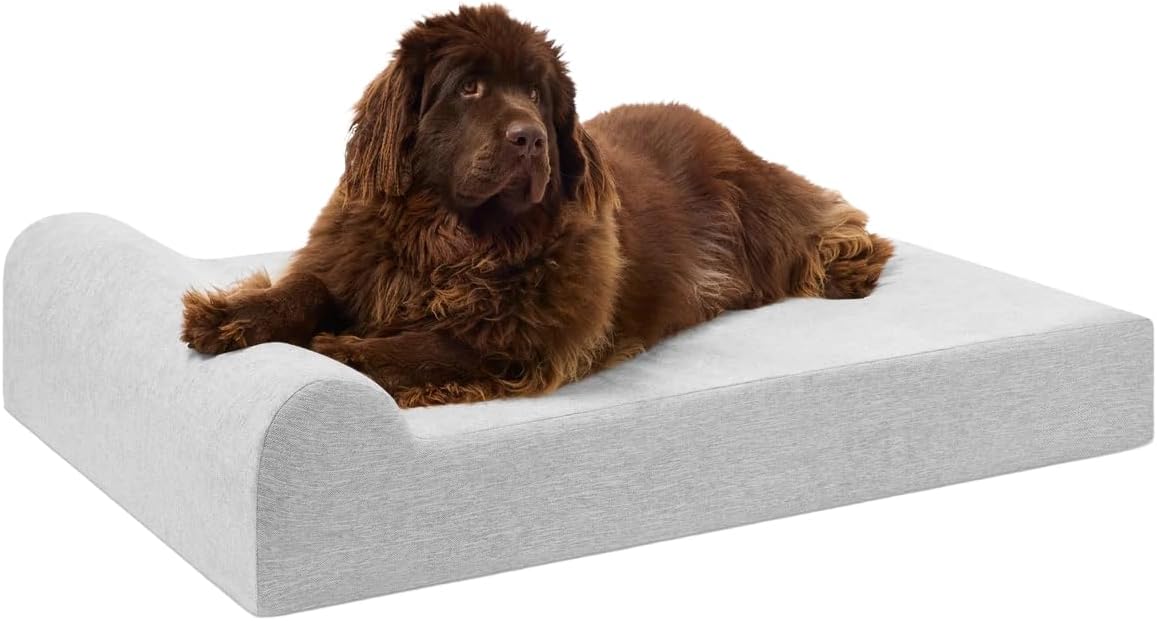
The First Time I Saw It
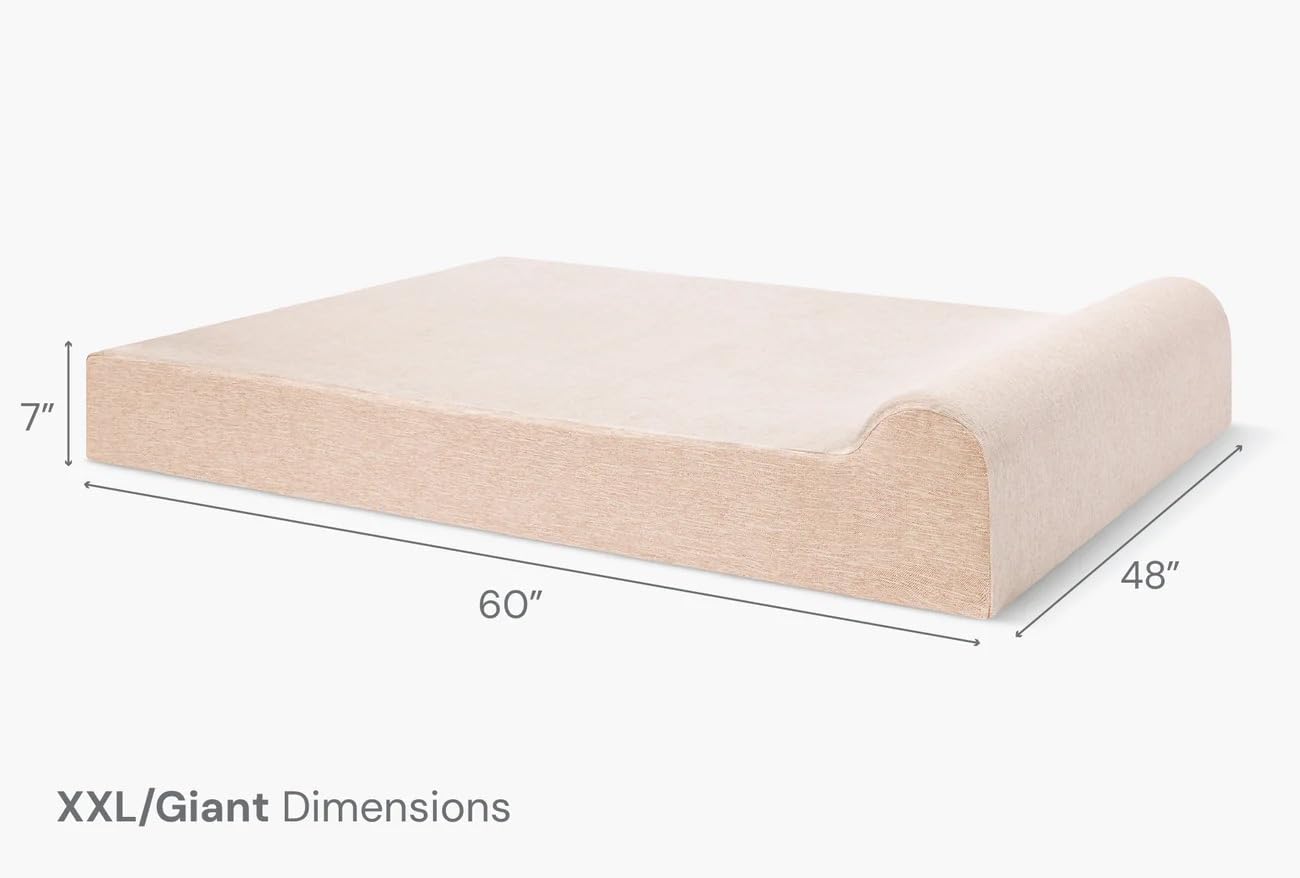
I found Big Barker the way most people find things that actually stick: a rabbit hole that started with a vet appointment and ended two hours later with seventeen browser tabs open. Kodiak’s vet had mentioned that his sleeping surface was likely making his mornings harder, that dogs with hip dysplasia and early arthritis need real foam support, not a bag of stuffing that collapses under pressure. I went looking for an orthopedic dog bed for large senior dogs and kept circling back to Big Barker because the specs were actually specific: 7-inch foam, not a vague “thick,” and an actual weight range listed right on the product page.
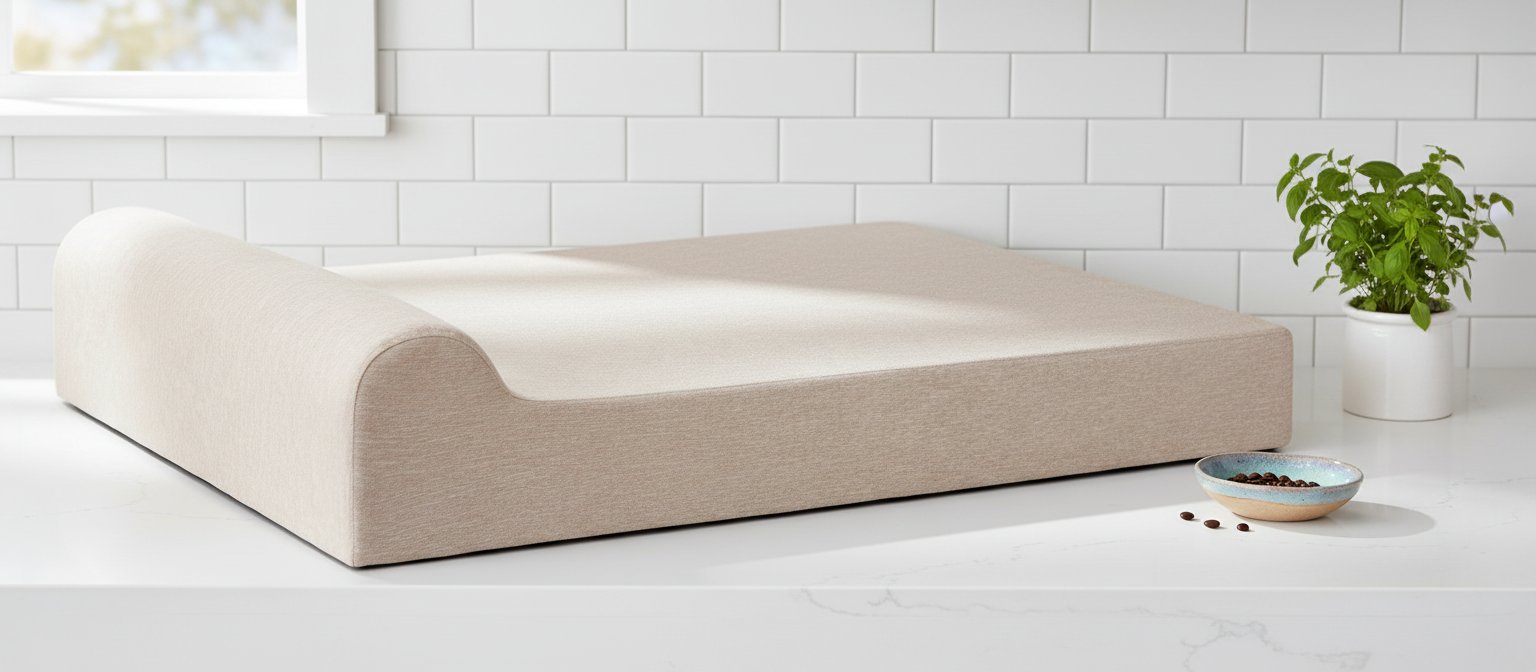
The driftwood linen color caught me too. I’ll be honest about that. My living room is all warm neutrals and I was tired of pet products that look like they belong in a day-care gymnasium. This one looked like it belonged.
How It Actually Performs
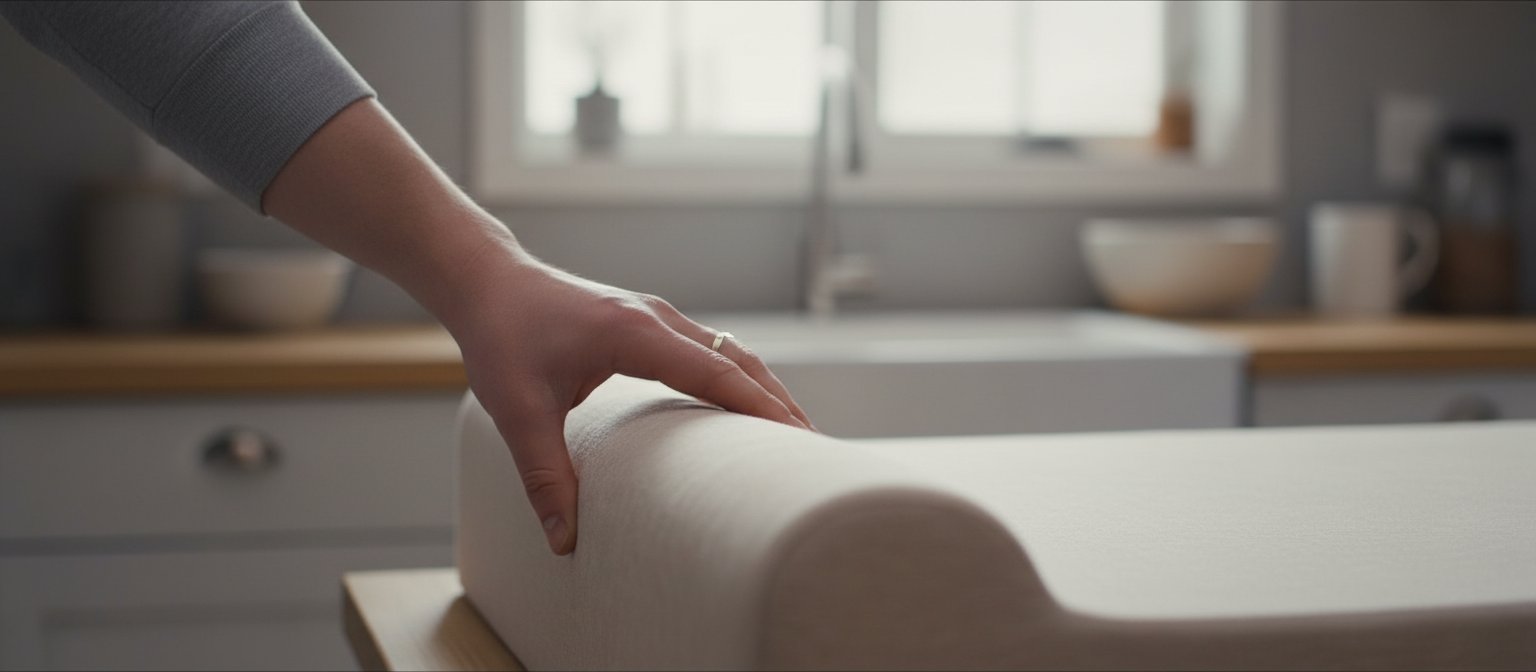
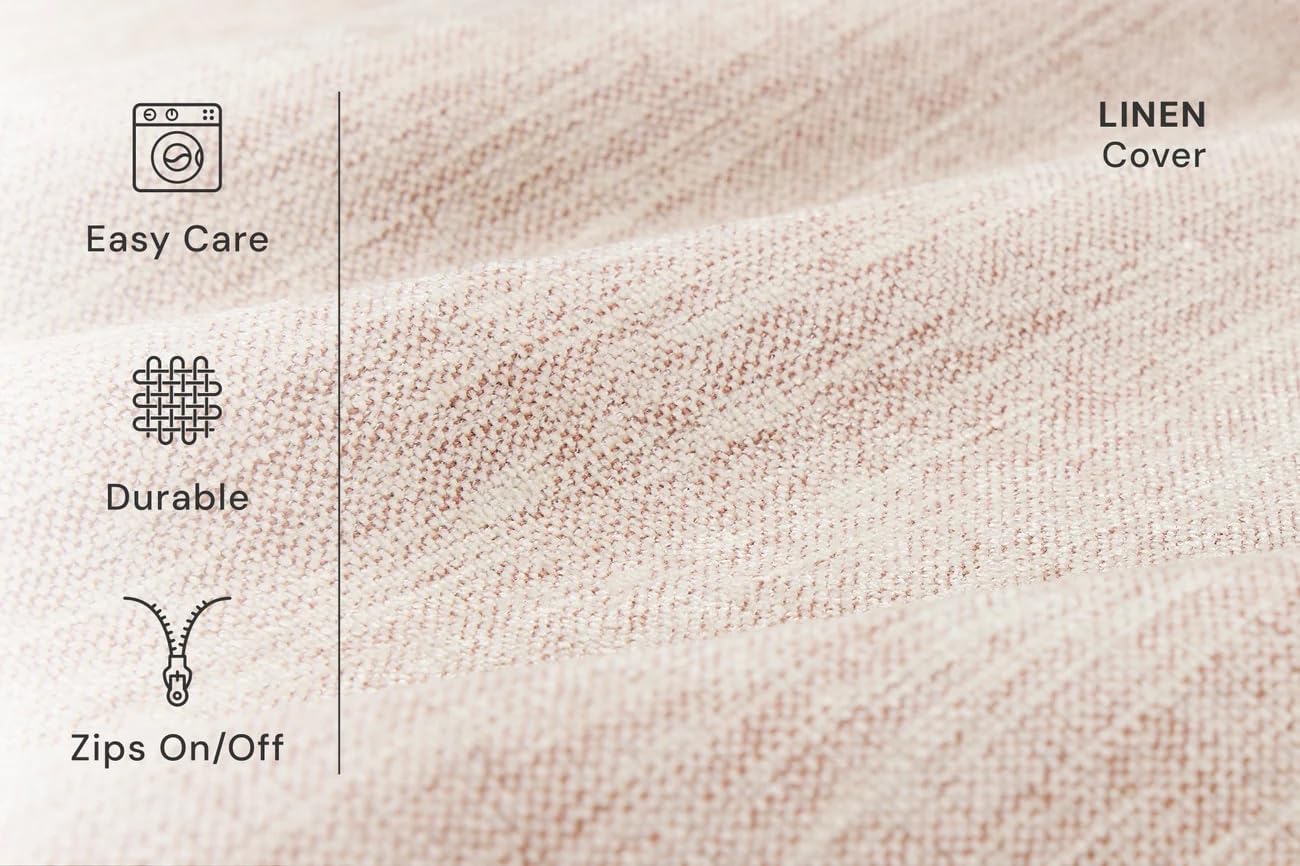
The foam is the story here. When the bed arrived and I unboxed it, I pressed both palms flat into the pillow-top surface and counted how long it took to spring back. It was slow, deliberate, the way good memory foam moves, not that cheap bounce you get from beds half this caliber. The linen cover has a texture that reads as genuinely considered, tightly woven, slightly cool to the touch, the kind of fabric that won’t pill after six washes. The headrest is not decorative. Kodiak started using it the first night without any coaxing, tucking his chin over the raised bolster the way he used to prop himself on the arm of the couch before we retired that habit.
“This orthopedic bed doesn’t perform like a pet product. It performs like furniture someone actually thought through.”
Where it gets interesting is the edge retention. A lot of beds in this category look great for the first month and then develop a permanent dog-shaped crater that the animal basically falls into rather than rests on. After four months of daily use from a 110-pound dog, the perimeter of this bed holds its shape. The center shows some compression, which is expected and appropriate, but the structural foam underneath doesn’t bottom out. Worth noting: the zippered cover removal is slightly stiff the first few times, probably intentional to keep it from shifting, but it loosens after a few wash cycles. You can read more about what veterinary experts recommend for managing arthritis in large-breed dogs at the AVMA’s pet owner resource center, which helped me understand why surface density matters as much as thickness.
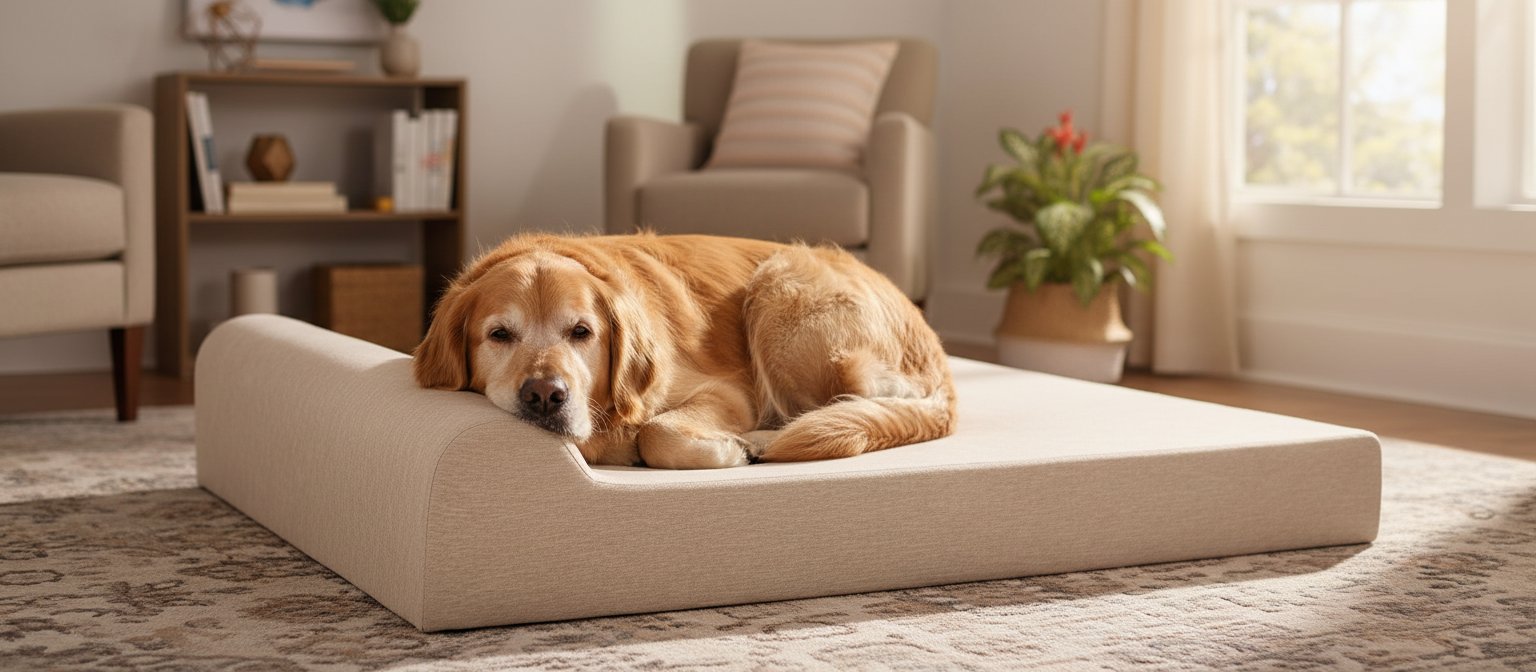
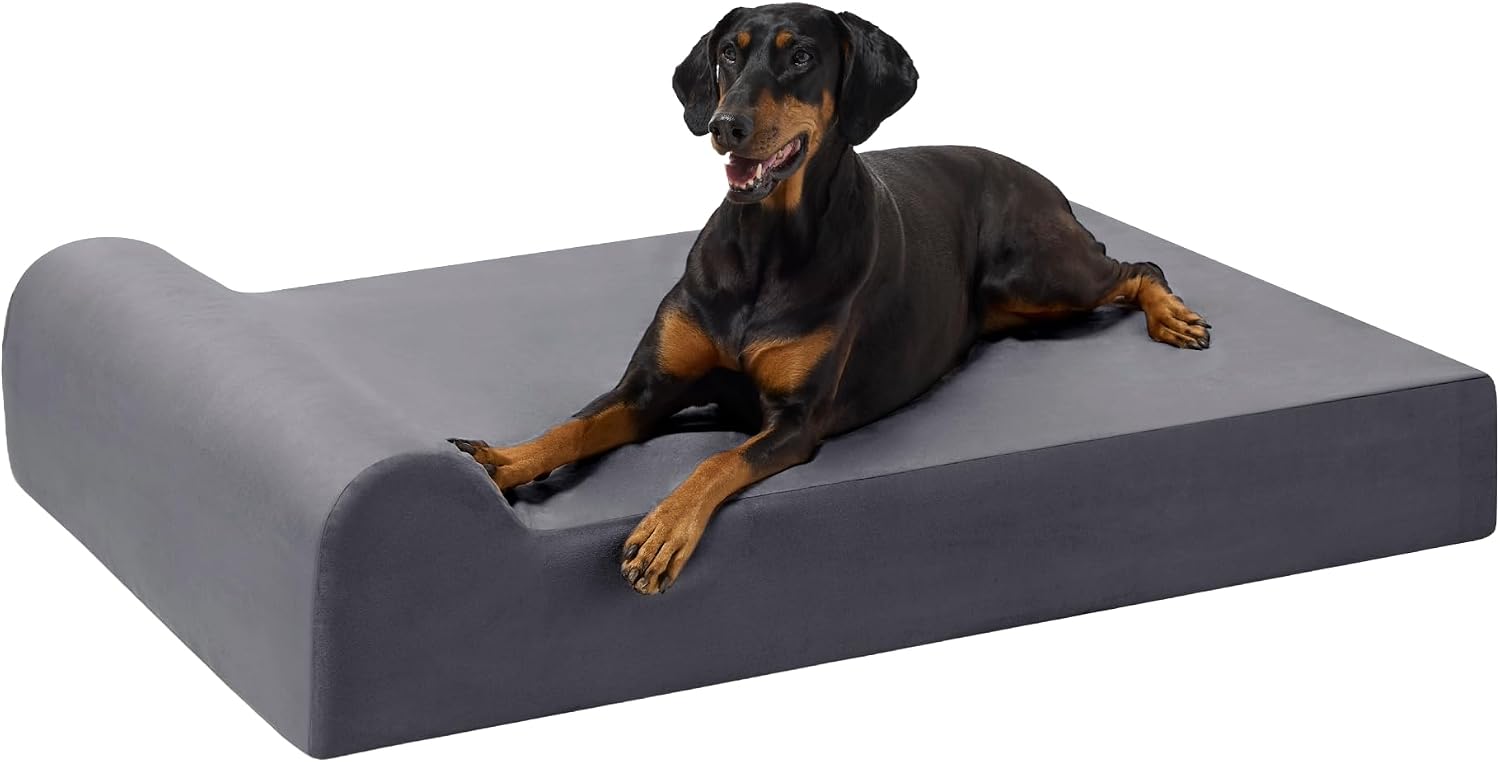
How I Actually Used It
Scenario 1: The Post-Surgery Recovery Week
Kodiak had a minor procedure done on a torn dewclaw in March, and the vet sent him home with instructions to limit movement and keep him comfortable. We moved the Big Barker into the living room so he wouldn’t have to navigate the hallway to reach his usual sleeping corner. He spent the better part of four days on it, sometimes 18 hours, and what I noticed was that he repositioned less than usual. Dogs in pain tend to shift constantly, trying to find the spot that doesn’t hurt. He found his spot and stayed. That kind of stillness, for a dog that age recovering from something uncomfortable, felt significant.
Scenario 2: Daily Joint-Support Sleep Routine
This is the unglamorous use case and also the one that matters most for a Big Barker orthopedic dog bed review: just every single night, week after week. Kodiak sleeps between 10 and 12 hours. That’s a lot of time for a bed to either support his joints or quietly fail them. The pillow-top layer distributes his weight so that his hips aren’t pressing directly against a hard foam base. The headrest keeps his neck in a neutral position instead of cranked sideways. By week six, the morning groaning had largely stopped. I’m not saying this bed replaced his joint supplements or his vet visits, but the change in his mornings was real and it was timed to this bed.

Scenario 3: The “He Claimed It” Phase
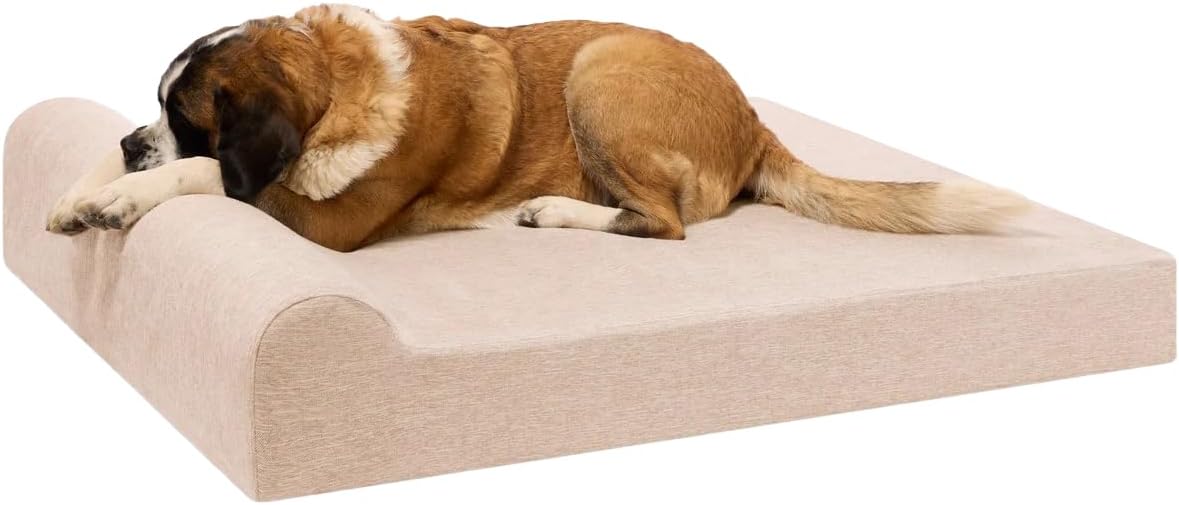
Anyone with a large dog knows the phase where they’ve decided something is theirs and the negotiation is over. By week two, Kodiak had claimed the Big Barker with full commitment, to the point that my younger dog, a 65-pound mixed breed, had started testing whether she could share the space. The bed is 60 by 48 inches, so there was technically room. Kodiak disagreed. The point is that dogs choose comfort intuitively, and both of mine chose this over the other beds in the house. That’s not nothing.
What Other Owners Are Saying
With nearly 6,000 reviews and a rating that hasn’t dipped meaningfully, the consensus lands in a specific place: owners of large, older dogs who were skeptical about spending this much on a bed came back to say it was the right call. The recurring theme isn’t aesthetics or delivery speed. It’s watching their dogs move better in the morning.
The negative patterns worth noting cluster around two things: the weight of the bed when fully assembled, which makes repositioning it around your home more of a two-person task, and the cover zipper being stiff initially. Neither is a dealbreaker for most buyers in this category, but they’re worth knowing upfront.
Who Should Skip It
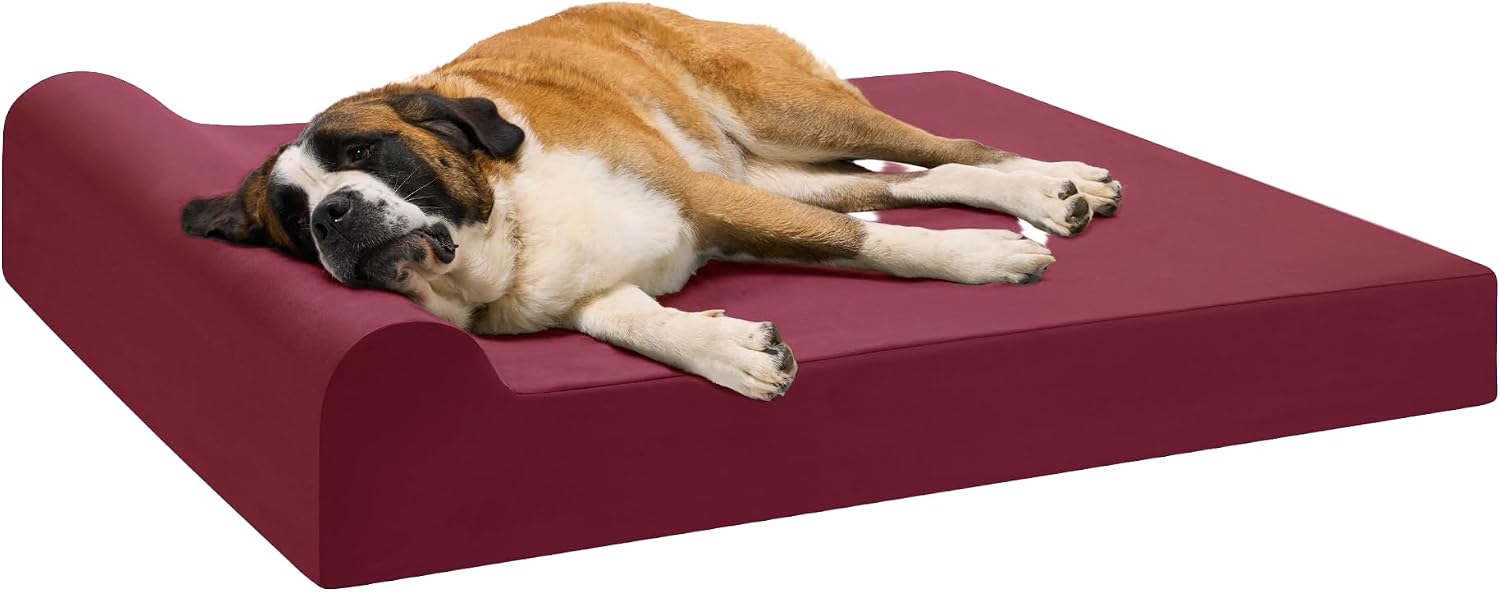
If your dog is under 100 pounds, this is more bed than necessary. The foam density and overall scale are calibrated for large-breed weight loads, and a smaller dog won’t get the optimal surface compression from it. There are better fits in our editor-recommended pet product picks for medium breeds. Similarly, if you’re in an apartment with limited floor space, this bed commands significant real estate and it doesn’t fold or compress for storage. It’s a permanent piece of your room’s layout, not a roll-up-when-guests-arrive situation. Finally, owners who rotate beds frequently or want something more easily portable should look elsewhere. This bed is designed to stay put and perform over years, not to be shuffled between rooms weekly.
What It Replaces in My Setup
Before this, Kodiak had a cedar-chip bed that I’d replaced the stuffing in twice, and before that, a bolster bed from a big-box store that compressed within three months. I was spending money repeatedly on things that failed, which is its own kind of inefficiency. The Big Barker replaced both the bed and the cycle of replacing the bed. I also used to put a folded moving blanket under his cedar bed in winter for extra insulation, a workaround for a product that wasn’t doing enough. I don’t do that anymore. The orthopedic bed handles temperature regulation reasonably well on its own, and the linen cover doesn’t trap heat the way polyester surfaces do. It’s one less improvised solution in a space that had too many of them. If you’re also managing your dog’s joint health from multiple angles, it’s worth exploring our full joint-support product roundups alongside what you choose for sleep surface.
FAQ
What size dog is this bed actually built for?
The manufacturer lists 100 to 300 pounds, and based on use, that range feels accurate. Dogs at the lower end of that range will have more bed than they need, but they’ll still benefit from the foam quality. Dogs toward the upper end of that range are exactly who this was designed around.
Is the cover safe and easy to wash?
The linen cover is machine washable, which matters a lot for a bed used by older dogs who may have incontinence or skin issues. The zipper stiffens on early washes but eases over time. The foam core should not be machine washed; spot cleaning only for that layer.
Will a dog actually use the headrest or just sleep off it?
Most large dogs use it naturally within a few nights, especially dogs who are used to propping their head on furniture. Dogs who prefer to sleep fully flat may ignore it, but it doesn’t get in the way either direction. It’s structural, not forced.
Does the build quality justify the investment at this price point?
For what you’re paying, the materials and construction are a clear step above what you’d find from most competitors at similar or even higher tiers. The foam density, cover quality, and headrest construction all read as premium rather than inflated. If you factor in the longevity and the likely replacement cycles you’re avoiding, the value reads above what you’d expect from a single-purchase decision.
Does Big Barker offer any warranty or return coverage?
Big Barker backs this bed with a 10-year warranty against flattening, which is genuinely unusual in the pet bedding category and signals confidence in the foam’s long-term performance. Check their website directly for current return window details, as policies can update seasonally.


The Verdict
Six months from now, I expect Kodiak will still be using this bed every night. I expect the foam will still hold its shape under his hips. I expect the linen will still look presentable enough that guests don’t immediately notice there’s a large dog bed taking up a quarter of my bedroom floor. The best orthopedic dog bed for large senior dogs isn’t the one with the most marketing language about joint support. It’s the one your arthritic dog gets up from easily in the morning. That’s the whole test, and this one passed it in week three and has kept passing it since. If you have a large or giant-breed dog managing arthritis or general joint stiffness, this is where I’d put my money and where I’d tell a friend to put theirs. You can also look into complementary support through our calming health picks if recovery anxiety is part of the picture, or browse dental health options if you’re doing a full senior-dog wellness refresh. And if you’re shopping for someone else’s aging dog, this makes a deeply practical choice worth adding to any thoughtful pet gift list. For more foundational guidance on managing joint conditions in dogs, the ASPCA’s pet care library and PetMD’s veterinary resources are both worth bookmarking alongside whatever product you choose. The groaning stopped. That’s the verdict.
Every Angle
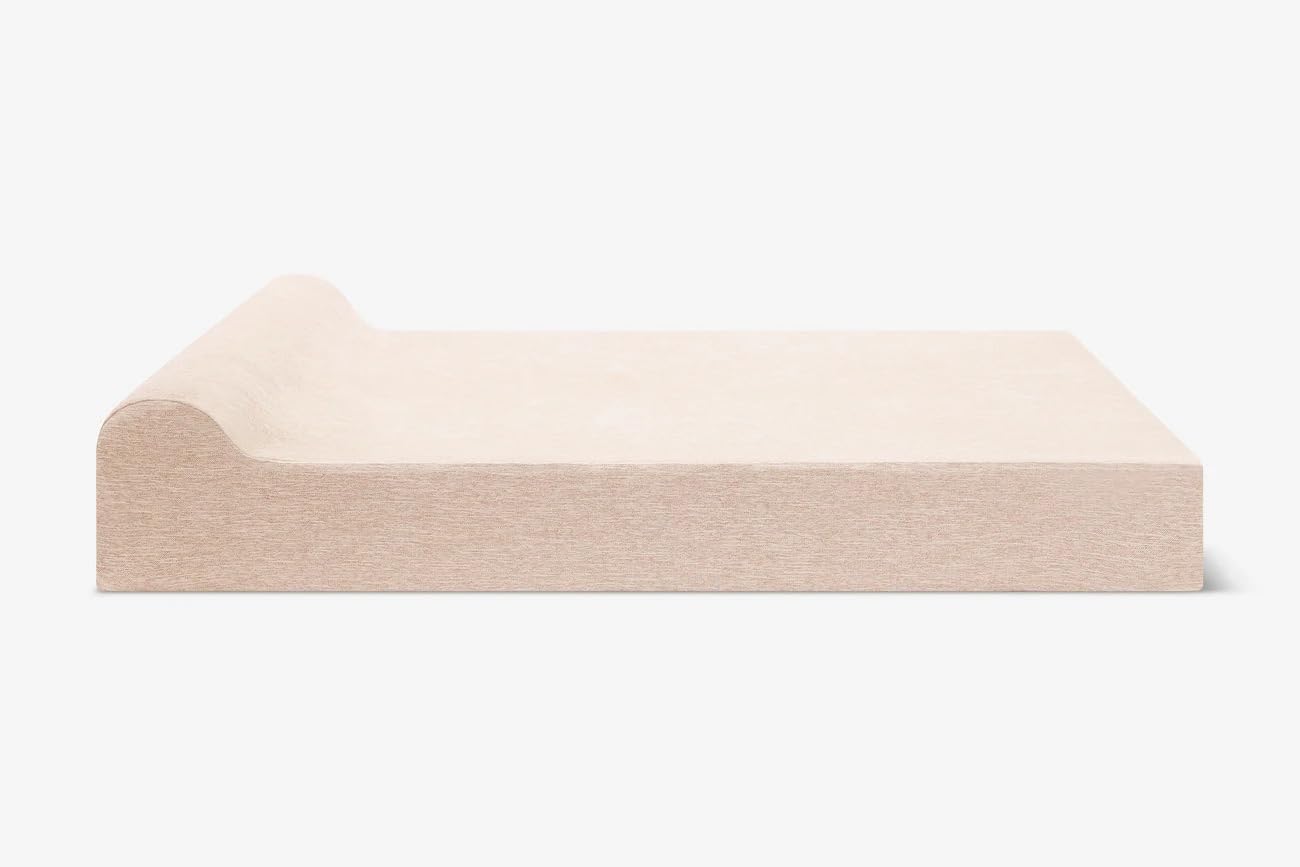
The product as photographed for Amazon — front, side, back, detail.
As an Amazon Associate I earn from qualifying purchases.