Orthopedic Gel Memory Foam Dog Bed for Senior Dogs — Review
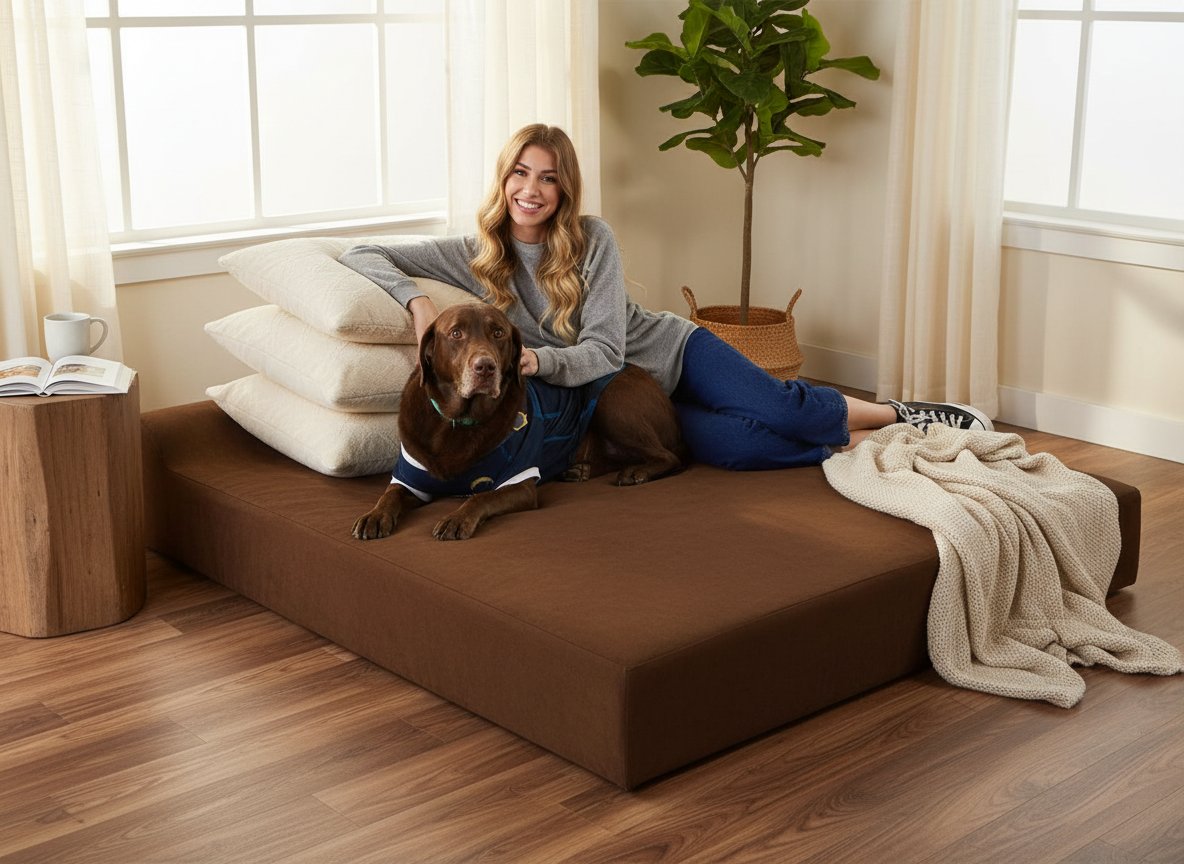
My twelve-year-old Lab started sleeping on the hardwood next to his old bed, and that small act of protest was the moment I finally took orthopedic dog beds seriously.
It was a Tuesday in November, the kind where the cold comes in under the door and the dog’s joints announce themselves before yours do. Biscuit, my twelve-year-old yellow Lab, had been doing this thing where he’d circle his plush bed twice, press one paw into it, and then just. Give up. He’d fold himself onto the bare floor beside it instead, chin to hardwood, watching me with those amber eyes like I’d failed some basic test of caregiving. I had. **The Back Support Systems Pet Support Systems Orthopedic Gel Memory Foam Dog Bed with Bolster** sat in my cart for three weeks after that before I finally clicked buy, and honestly, the only thing I regret is waiting.
The First Time I Saw It
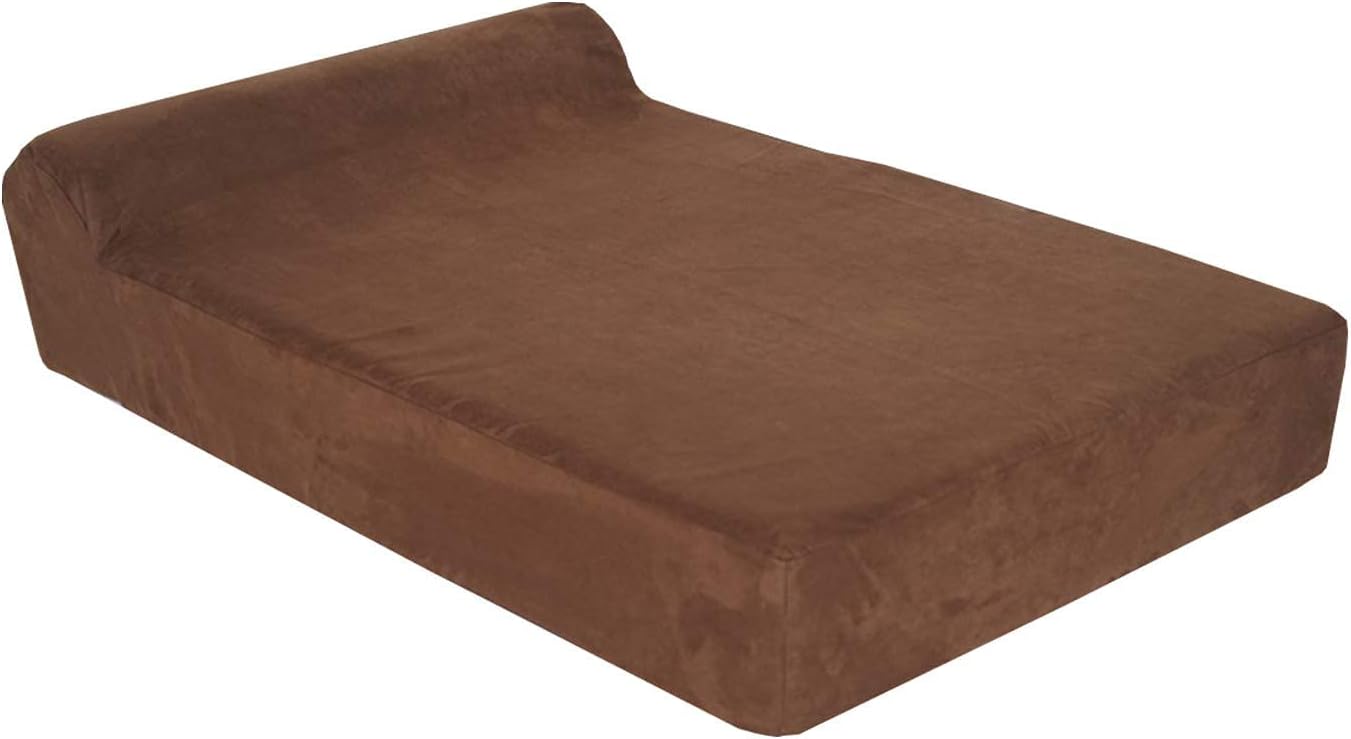
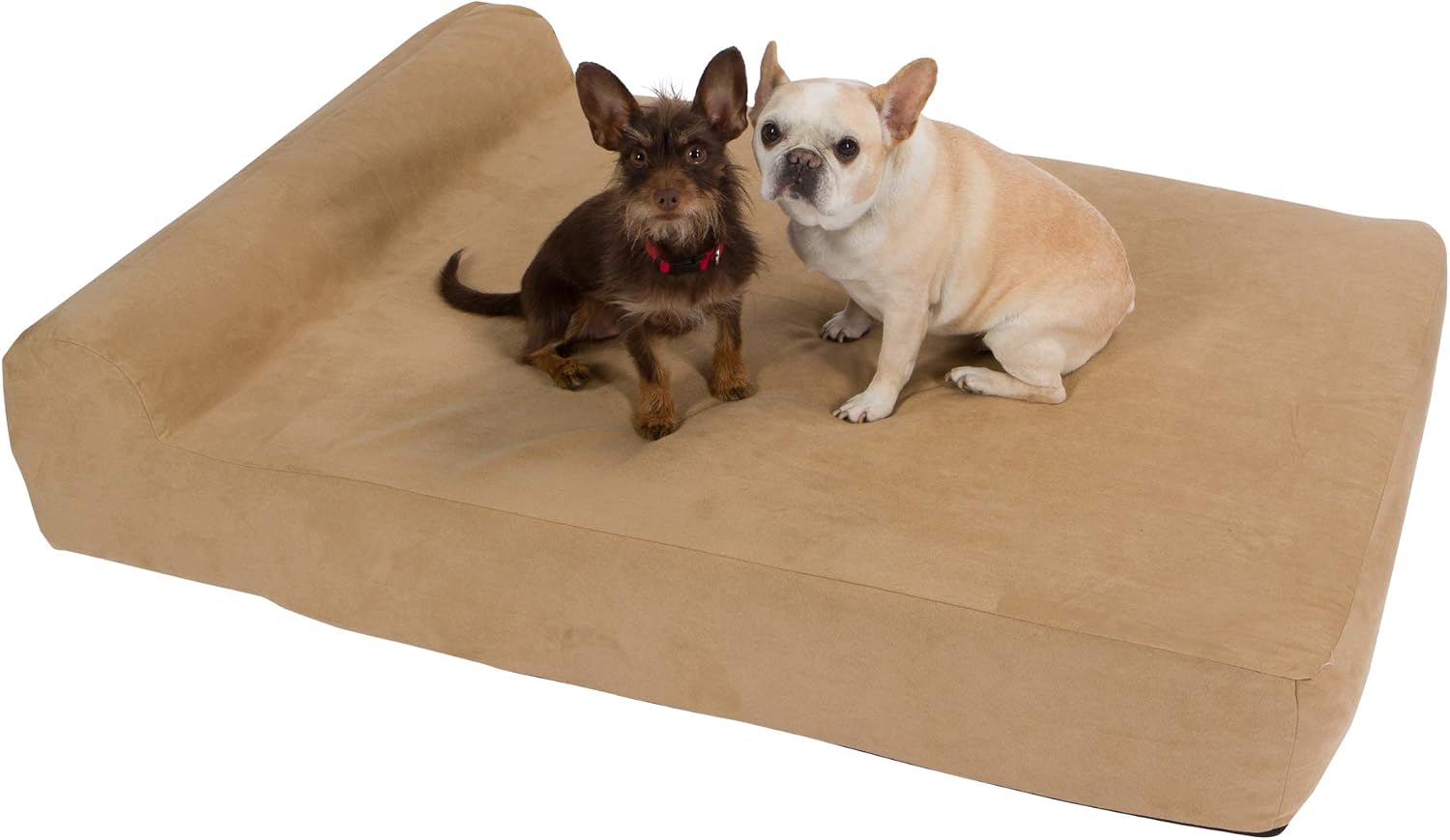
I’d been down the orthopedic bed rabbit hole before. Most of what I found was either flimsy foam that compressed into nothing within a month or beds so aggressively engineered-looking that they felt more like medical equipment than something I’d want in my living room. The Back Support Systems bed showed up in a search for the best orthopedic dog bed for senior Labs, and the photograph stopped me: a clean bolster profile, neutral fabric, the kind of thing that reads as furniture-adjacent rather than pet-aisle afterthought.
What actually kept my attention was the gel memory foam specification and the “Made in the USA” callout. That second detail matters more than people admit when you’re thinking about what your aging dog spends eight to twelve hours a day lying on. I read every word of the product page twice and then went looking for anything else I could find. That pull into research mode is usually my signal that I’m actually going to spend the money.
How It Actually Performs
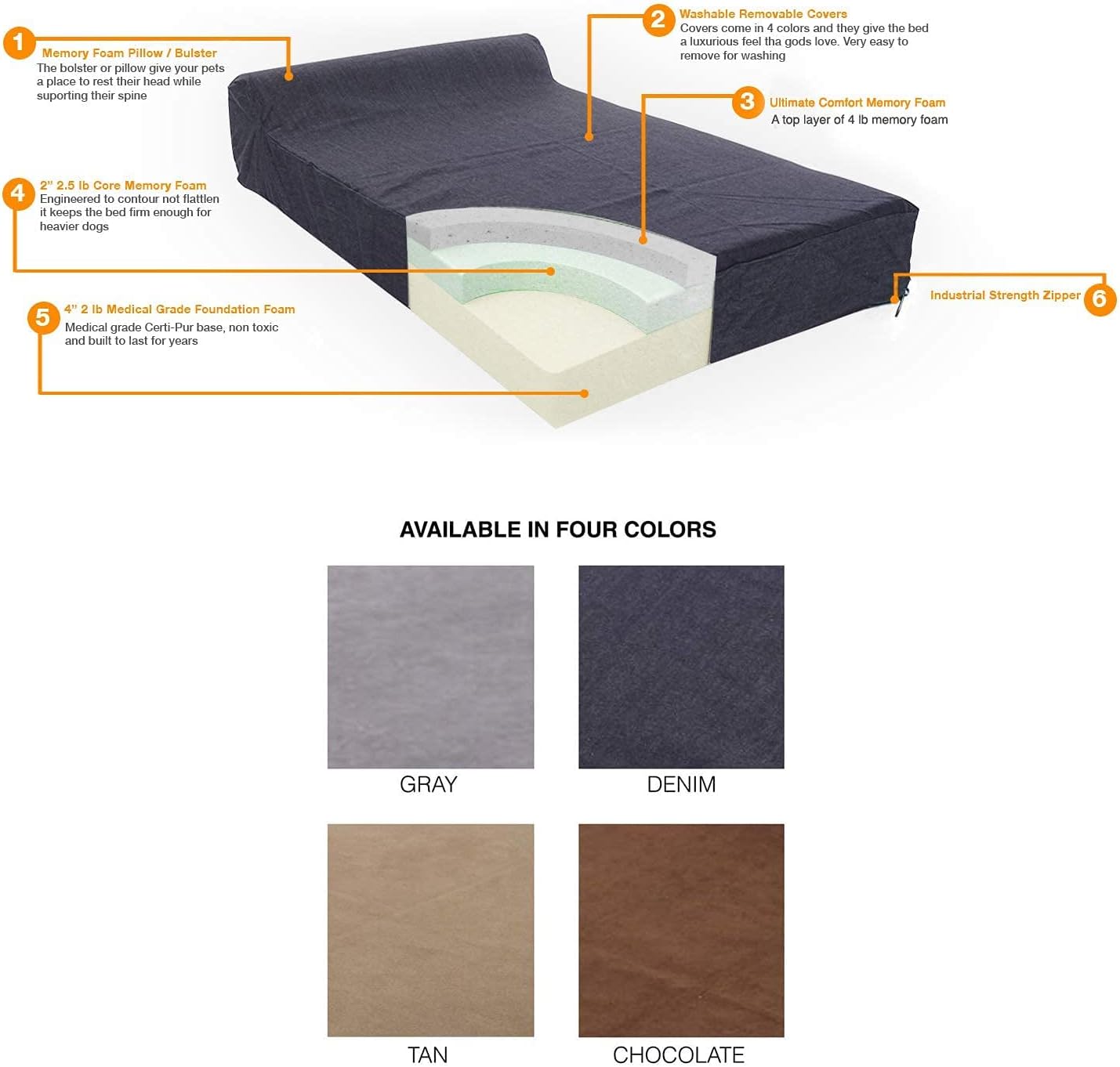
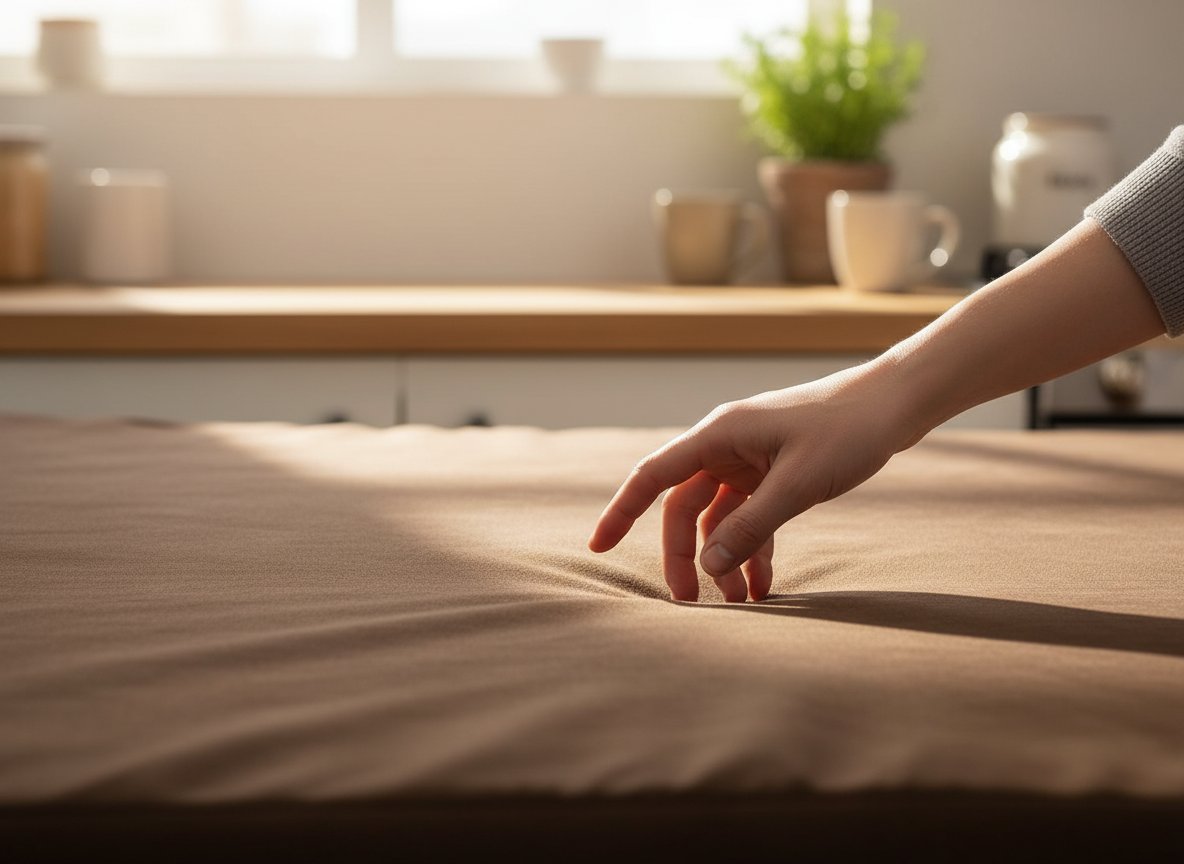
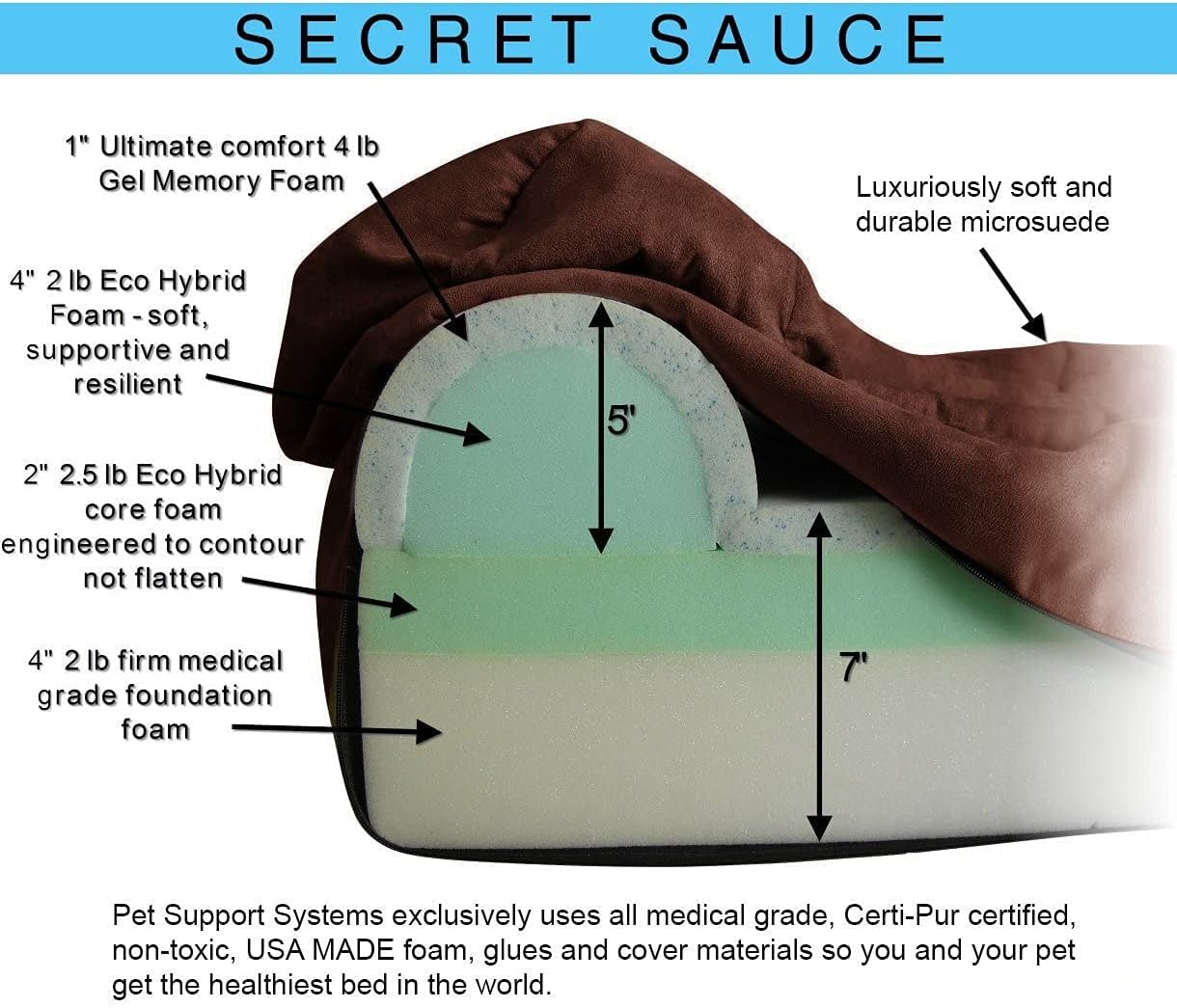
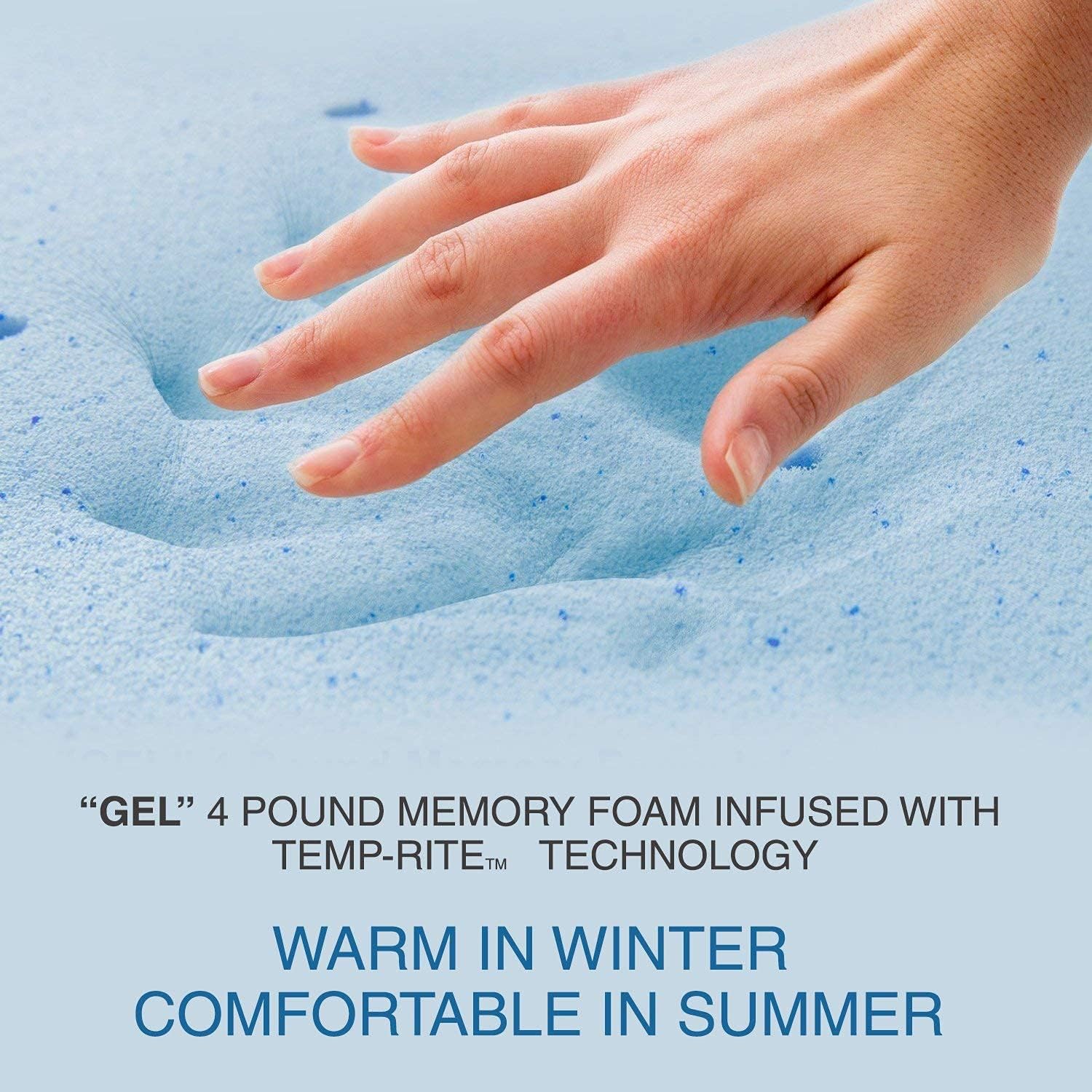
The foam is the thing. Gel memory foam differs from standard memory foam in a meaningful way: the gel beading or infusion helps regulate surface temperature, which matters for older dogs who can overheat or who have trouble finding a comfortable position when the material traps warmth. When the bed arrived and I pressed both palms into the surface, it had that slow, deliberate give that signals real density. Biscuit stepped onto it, turned once, and lay down without testing the floor first. That was the whole review, honestly, compressed into about four seconds.
“The moment a senior dog stops circling and simply lies down, you know the foam is doing something the old bed never did.”
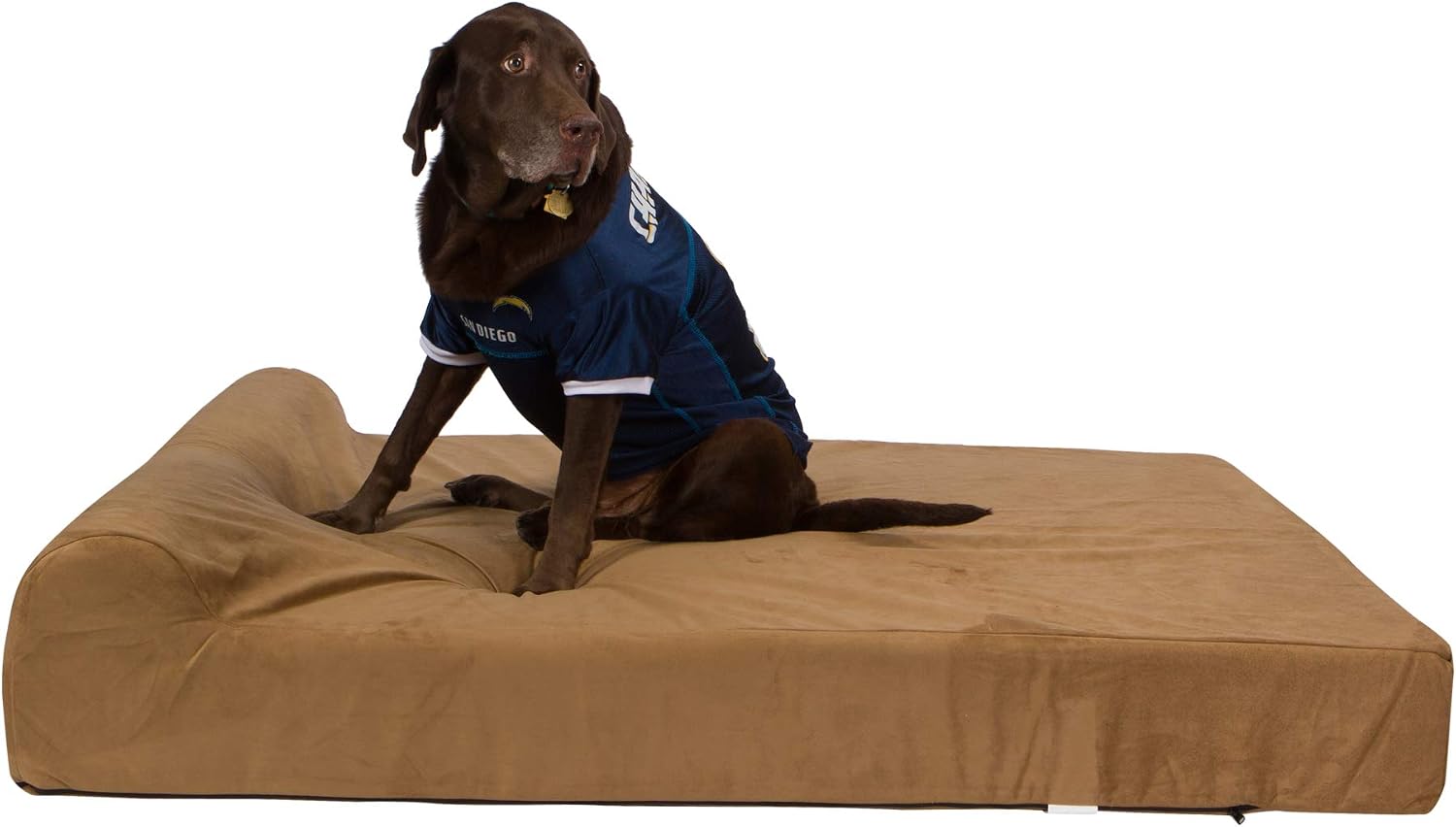
The bolster is lower than I expected from the photos, which turned out to be a good thing. Biscuit has some stiffness in his shoulders and a high bolster would require him to step over it or crane his neck up to use it as a chin rest. The height here is just right for a large dog to drape a leg or a head without effort. One honest note: the cover, while washable, does take a full dryer cycle to get completely dry, and if your dog is a heavy drooler or has any incontinence issues, you may want a second cover on hand. According to veterinary guidance on senior dog comfort care, managing surface moisture and temperature is genuinely relevant to joint inflammation, so that second-cover investment tracks.
How I Actually Used It
Scenario 1: The First Two Weeks of Transition
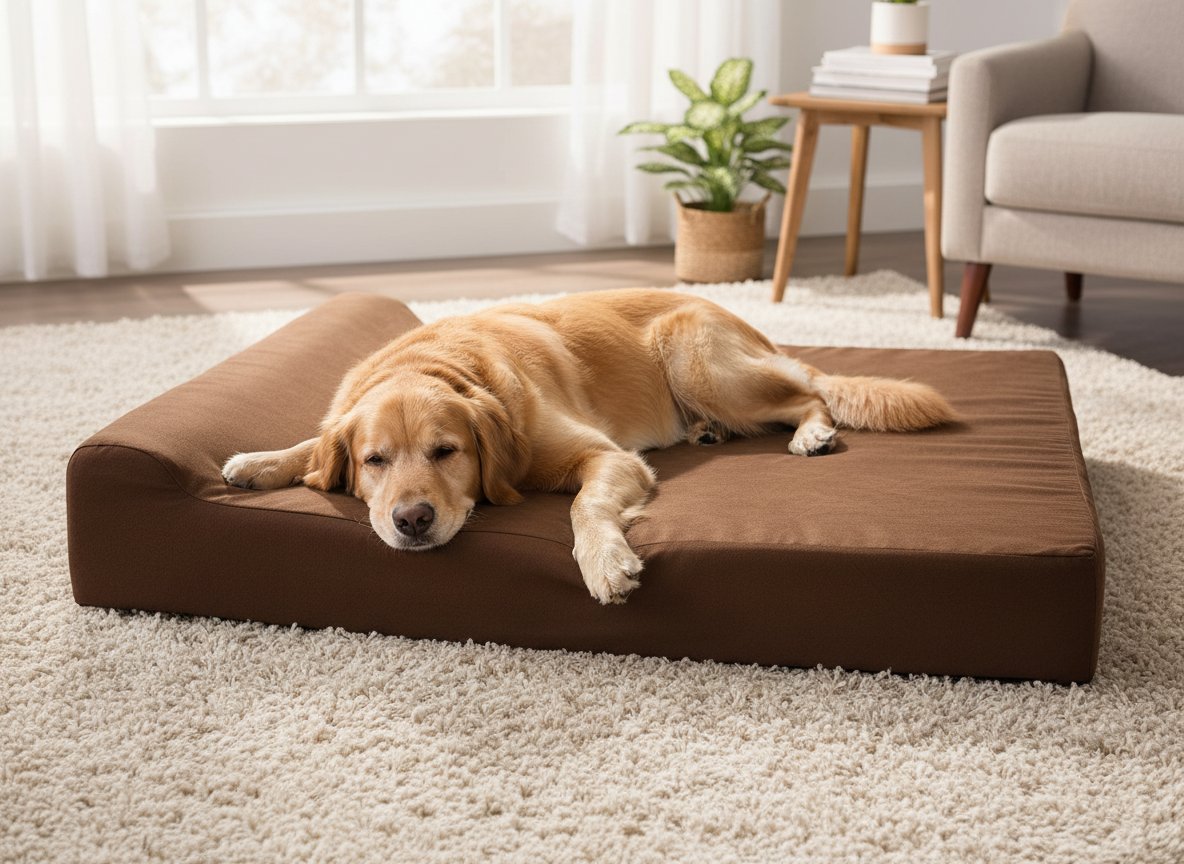
I placed the bed in Biscuit’s usual corner, same spot as the old one, same ambient light, same proximity to the radiator. He investigated it immediately, the way dogs do, nose first and then one cautious paw. By night two he was sleeping through until 6 a.m. without repositioning himself noisily every hour, which had become his norm on the old bed. Two weeks in, he started beating me to the bed after our evening walk, settling himself before I’d even gotten my shoes off. That behavioral shift, unprompted and consistent, tells me more than any pressure-test spec sheet.
Scenario 2: Post-Vet Recovery Week
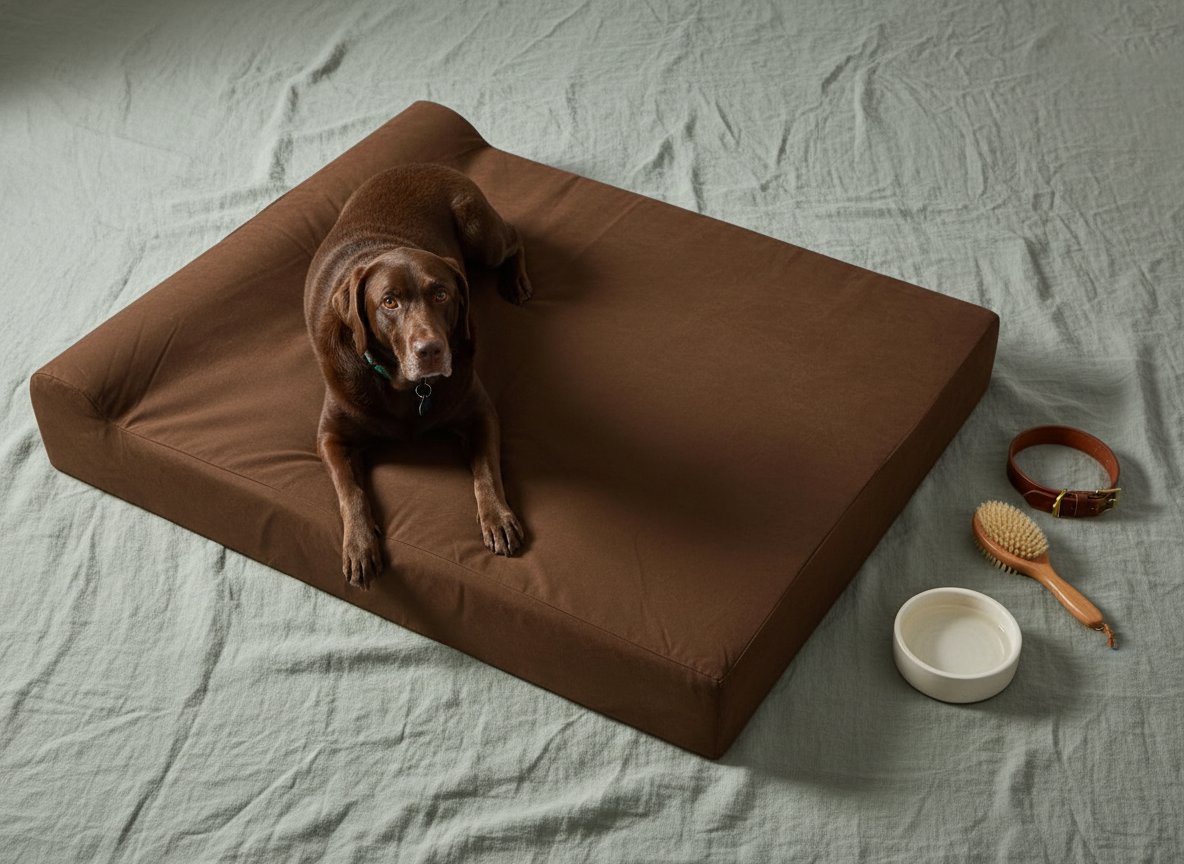
Biscuit had a minor procedure in January, nothing serious, but the vet recommended limiting his movement for several days. He spent the better part of four days on this bed, which is the kind of extended single-surface use that exposes a bed’s weaknesses fast. The foam held its shape without any visible compression spots. The cover stayed smooth and clean enough that I only washed it once during that stretch, despite it seeing more time and body heat than usual. The bolster gave him something to press his back against, which visibly seemed to settle him when he was uncomfortable. If you’re looking for dog bed and crate options for recovery or daily rest, this type of build is worth understanding before you commit.
Scenario 3: Summer Sleeping
I’d been warned by one owner comment that gel foam can still run warm in summer, so I was watching for that. We had a ten-day stretch in July where the apartment stayed humid and close despite the AC running. Biscuit moved to the tile twice during that period, which he also does in summer on any surface, so I’m not willing to call that a bed failure. The rest of the time he stayed put. The gel layer seems to do meaningful temperature work even if it isn’t a miracle in a true heat wave. If you have a dog who is particularly heat-sensitive, positioning the bed near airflow will help.
What Other Owners Are Saying
This bed has a modest review count, which means the sample size is still building, but the pattern in the feedback is consistent: owners of senior dogs and large breeds report visible behavior changes, specifically less nighttime restlessness and more sustained sleep. A few reviews flag the drying time on the cover, which mirrors my experience exactly.
With 36 reviews and a rating that sits just under four stars, the spread suggests that when this bed works, it works clearly, and the lower ratings tend to come from owners whose dogs are still in a younger, bouncier life stage where dense orthopedic support isn’t the priority yet. That’s actually useful signal: **this is not a one-size-fits-all-ages purchase.**
Who Should Skip It
If your dog is under five, in good joint health, and primarily uses a bed for warmth and nesting rather than pressure relief, this orthopedic bed is more bed than you need at this stage. The premium build is calibrated for real therapeutic use, and a younger dog who just wants to burrow and sprawl will likely ignore the foam’s structural benefits entirely. Very small breeds may also find the bolster proportions awkward, since the bed reads as scaled for medium to large dogs in its feel and dimensions. And if your household runs extremely hot or humid year-round without reliable climate control, I’d pair this with a cooling mat or fan placement rather than expecting the gel alone to fully compensate. Explore our full essentials category for broader options if this specific profile doesn’t match your dog’s current needs.
What It Replaces in My Setup
The bed this replaced was a well-reviewed bolster style from a brand I’d trusted for years. It wasn’t a bad bed. It just wasn’t a therapeutic bed, and I’d been treating those two categories as interchangeable for longer than I should have. The old bed had compressed significantly in the center, creating a slight hammock effect that Biscuit was accommodating with his posture every night. Swapping it for a true orthopedic dog bed with gel memory foam changed the geometry of how he sleeps, and I can see it in how he stands up in the morning. He’s not stiff the way he was. That’s not nothing. For anyone building out a senior dog’s daily comfort setup, I’d also look at what they’re eating and supplementing alongside their sleep surface. Our dog food and nutrition recommendations are a good place to start that conversation.
FAQ
What size dog is this bed best suited for?
The build and bolster scale read as medium-to-large dog territory. I’d feel most confident recommending it for dogs in the 40-pound-and-up range, though the brand doesn’t publish specific size guidance, so measuring your dog’s full stretched-out length before ordering is smart.
Is the cover safe to machine wash, and how often should I clean it?
Yes, the cover is removable and machine washable. For a healthy dog, washing it every two to three weeks is reasonable; for a dog with allergies, skin conditions, or any incontinence, weekly washing or a second backup cover will keep things manageable.
Can this bed help a dog who has been diagnosed with hip dysplasia or arthritis?
An orthopedic bed with dense gel memory foam can meaningfully reduce pressure on inflamed joints during sleep, but it’s a supportive tool, not a treatment. Always work with your vet on a full pain-management plan, and use the bed as one part of that picture.
Does the build quality match the brand’s premium positioning?
In my experience, yes. The foam density, the cover stitching, and the bolster construction all feel deliberate and durable rather than aspirational on paper and soft in practice. For what you’re paying, the materials hold up to daily senior-dog use better than several beds I’ve tried at lower price points in this category.
What’s the return or warranty situation if the bed doesn’t work for my dog?
Policies can vary and update, so I’d confirm directly with Back Support Systems or the retailer at checkout. Generally with foam beds, the key window is the first 30 days, when you’ll know whether the density is right for your dog’s weight and sleep style.
The Verdict
Six months out, the Back Support Systems orthopedic bed is the last thing I check before I turn off the living room light. Not because I’m nervous about it. Because Biscuit is always already there, settled against the bolster, breathing slow, and there’s something reassuring about a sleeping old dog that I suspect every senior-pet owner knows in their chest. This orthopedic dog bed earns its place in a serious senior dog setup not through flashy specs but through the quiet, cumulative evidence of a dog who stops protesting his bed and starts choosing it. If you have a dog with joint stiffness, arthritis, or the particular kind of restless nighttime sleep that large older breeds develop, this is where I’d put my attention and my budget. Check out our full editor’s recommendations for how it fits into a broader senior dog care routine, and if you’re gifting this for someone with an aging dog, it belongs on any thoughtful pet-lover gift list you’re building. The ASPCA’s senior pet care resources and guidance from the American Veterinary Medical Association both point toward sleep surface quality as an underrated factor in aging-dog comfort, and after six months watching Biscuit sleep like he’s twenty pounds lighter, I’m not inclined to argue. Get the bed. Your senior dog has already been patient long enough.
Every Angle
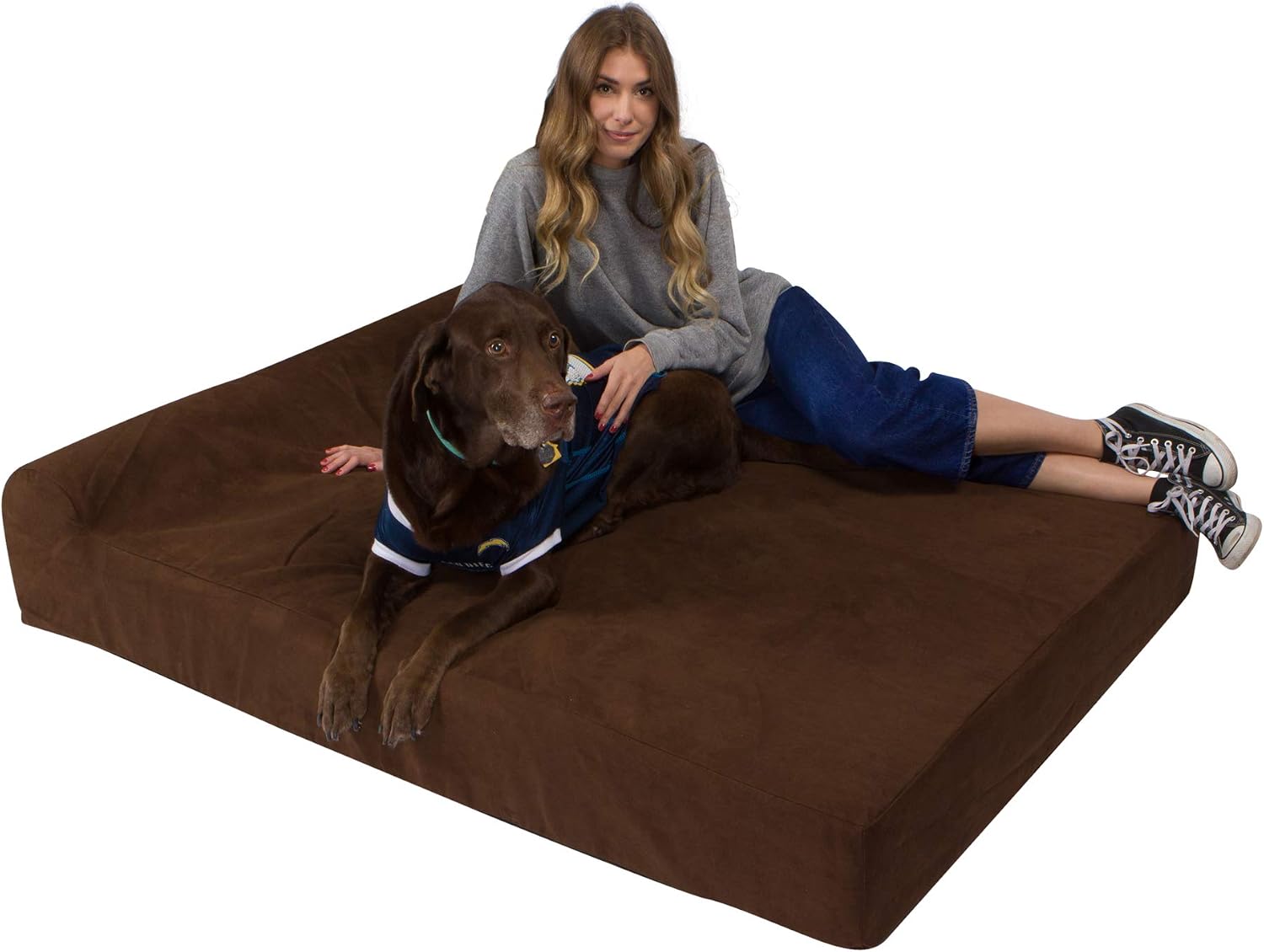
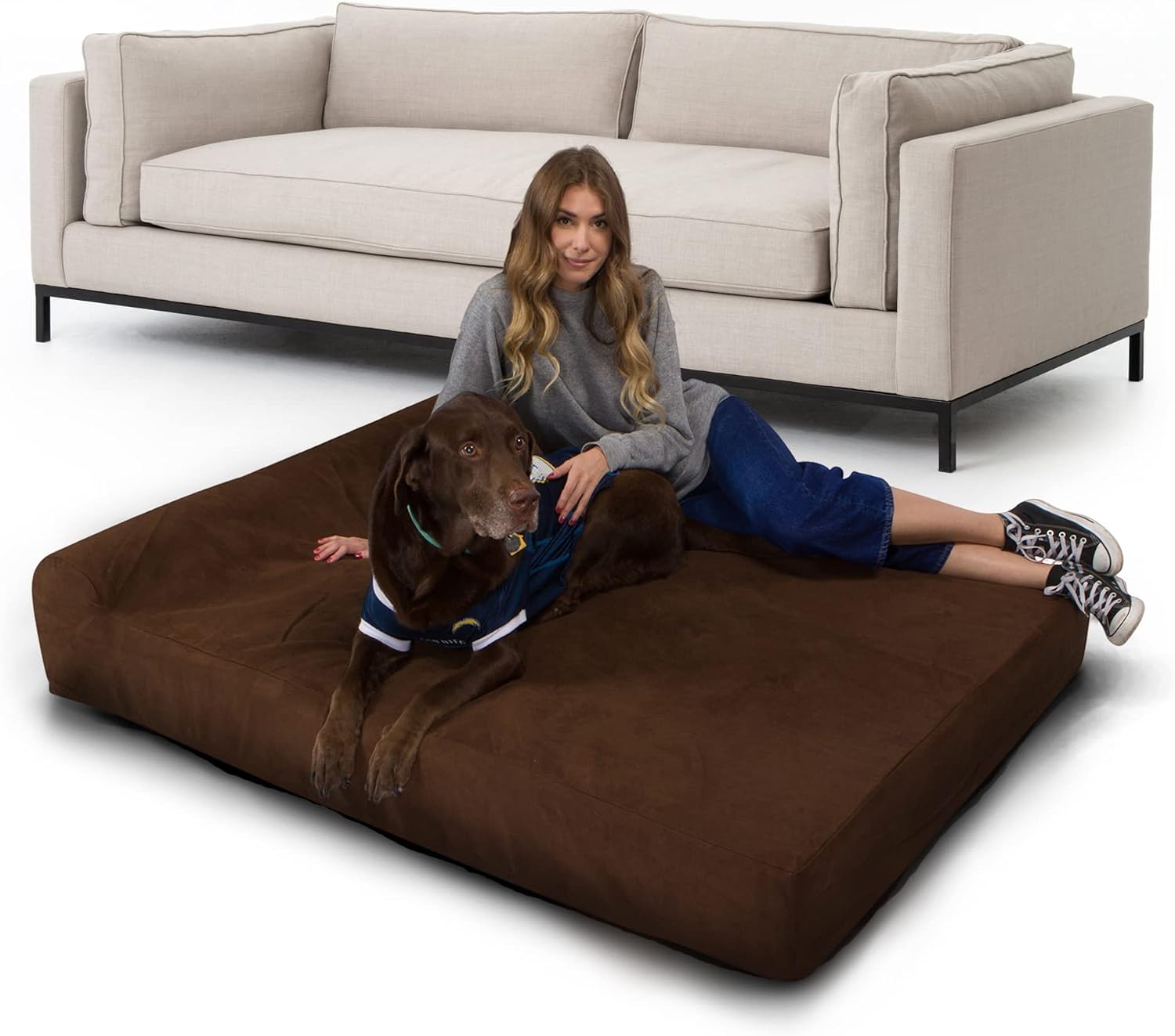
The product as photographed for Amazon — front, side, back, detail.
As an Amazon Associate I earn from qualifying purchases.